Unlocking Efficiency: The Role of Hydraulic Breakers for Wheel Loaders
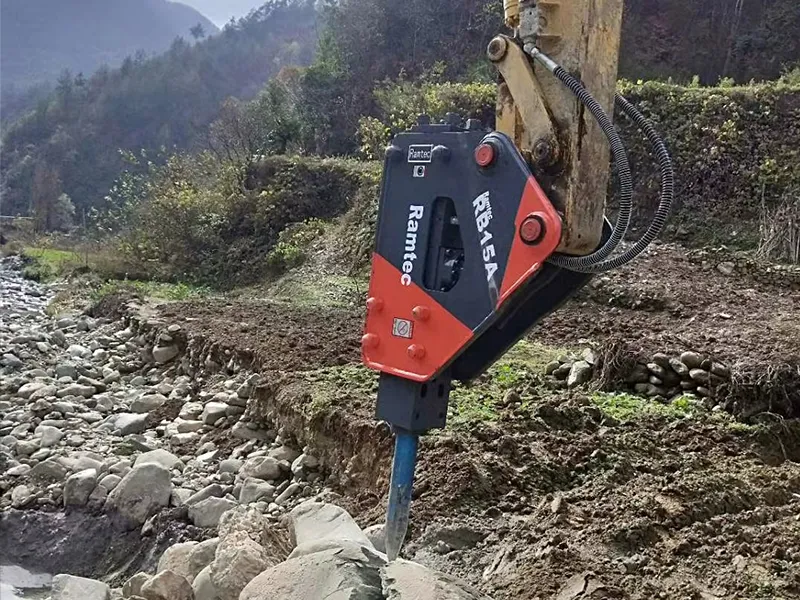
Hydraulic breakers for wheel loaders represent a significant advancement in construction and demolition technology. These powerful attachments are engineered to transform standard wheel loaders into formidable demolition machines. By integrating a hydraulic breaker, operators can effectively tackle a variety of challenging tasks, making them invaluable assets in the construction and engineering industries.
The primary function of a hydraulic breaker is to deliver high-impact force to break through tough materials such as concrete, asphalt, rock, and other dense surfaces. This capability enables wheel loaders to perform heavy-duty tasks that would otherwise require separate equipment, such as excavators or dedicated hydraulic hammers. By using a hydraulic breaker, contractors can significantly streamline their workflow, reduce equipment costs, and improve overall project timelines.
One of the key advantages of hydraulic breakers for wheel loaders is their versatility. They can be used in diverse applications, including road construction, demolition, excavation, and site preparation. This multifunctionality allows businesses to maximize their investment in wheel loaders, as they can now serve multiple purposes with just one machine. Moreover, hydraulic breakers can be easily attached and detached, making it simple for operators to switch between tasks as needed.
In addition to their versatility, hydraulic breakers are known for their efficiency. Equipped with advanced hydraulic systems, these tools deliver powerful blows with minimal operator effort. This not only enhances productivity but also reduces operator fatigue, allowing for longer working hours and improved safety on the job site. Additionally, modern hydraulic breakers often come with noise and vibration reduction features, contributing to a safer and more environmentally friendly working environment.
When selecting a hydraulic breaker for your wheel loader, it is essential to consider several factors. The size and weight of the breaker should align with the capabilities of your wheel loader to ensure optimal performance and safety. Furthermore, understanding the specific requirements of your project—such as the type of materials you will be breaking—can help you choose the right model.
Regular maintenance is another critical aspect of maximizing the lifespan and effectiveness of hydraulic breakers. Routine checks, such as inspecting seals, hoses, and hydraulic fluid levels, will ensure that your equipment operates smoothly and efficiently. Proper care not only prolongs the life of the breaker but also enhances its performance, allowing you to complete tasks more effectively.
In conclusion, hydraulic breakers for wheel loaders are powerful tools that can significantly enhance the efficiency and productivity of construction and engineering projects. By understanding their functionality, advantages, and maintenance requirements, businesses can make informed decisions that will ultimately lead to more successful outcomes on the job site.
Related News