The Ultimate Guide to Choosing a Hydraulic Breaker for Your Wheel Loader
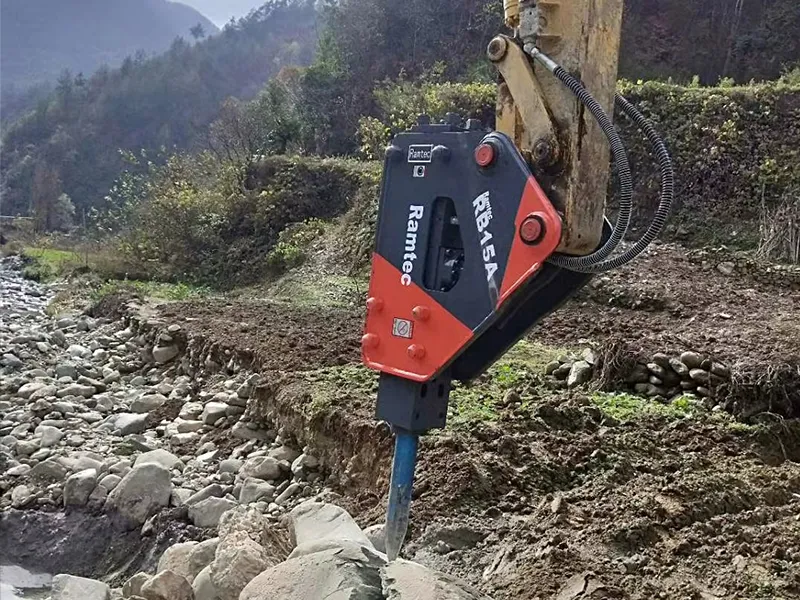
The Ultimate Guide to Choosing a Hydraulic Breaker for Your Wheel Loader
Table of Contents
- Understanding Hydraulic Breakers
- Importance of Hydraulic Breakers in Construction
- Types of Hydraulic Breakers
- Key Factors to Consider When Choosing a Hydraulic Breaker
- Performance and Efficiency of Hydraulic Breakers
- Maintenance Tips for Hydraulic Breakers
- Cost Considerations
- Frequently Asked Questions
- Conclusion
Understanding Hydraulic Breakers
A **hydraulic breaker** is a powerful tool designed to break rock, concrete, and other hard materials. Utilizing hydraulic pressure generated by the wheel loader, these breakers deliver a concentrated force that helps in demolition and material handling tasks. They are essential attachments for wheel loaders, enhancing their versatility and productivity on construction sites.
Importance of Hydraulic Breakers in Construction
In the modern construction landscape, **hydraulic breakers** play a critical role. They enable fast and efficient breaking of tough materials, reducing project timelines and labor costs. By integrating a hydraulic breaker with your wheel loader, you can significantly enhance its operational capabilities, making it an invaluable asset for any heavy machinery fleet.
Types of Hydraulic Breakers
Understanding the different types of **hydraulic breakers** available in the market can aid in making an informed choice. Two of the most common types are:
Pneumatic Hydraulic Breakers
These breakers use compressed air to operate. They are lightweight and ideal for applications requiring mobility and speed. However, they may not deliver the same level of power as their hydraulic counterparts.
Electric Hydraulic Breakers
Electric hydraulic breakers are powered by electricity, making them suitable for indoor use where noise and emissions are a concern. They offer consistent performance but may be limited by the availability of electrical outlets on job sites.
Key Factors to Consider When Choosing a Hydraulic Breaker
Selecting the right hydraulic breaker involves a thorough evaluation of several key factors:
Compatibility with Your Wheel Loader
The first step is to ensure that the hydraulic breaker is compatible with your specific wheel loader model. **Compatibility** involves checking the loader's hydraulic system specifications and attachment capabilities to prevent operational issues.
Operating Weight
The operating weight of the hydraulic breaker should align with your wheel loader's lifting capacity. Using a breaker that is too heavy can strain the loader, while one that is too light may not perform effectively.
Impact Energy
**Impact energy** refers to the force delivered by the breaker upon striking the material. Higher impact energy results in faster and more efficient breaking. It’s crucial to match the impact energy of the breaker with the material you intend to break.
Frequency of Usage
Consider how often you will be using the hydraulic breaker. If it's for frequent, heavy-duty projects, investing in a high-quality, durable breaker is recommended. For occasional use, a more economical option may suffice.
Performance and Efficiency of Hydraulic Breakers
The overall **performance** and **efficiency** of a hydraulic breaker can significantly impact your project's success. A high-performance breaker will not only break materials rapidly but also consume less hydraulic oil, leading to cost savings in the long term. Look for breakers with advanced features like automatic lubrication systems and adjustable impact rates to enhance efficiency.
Maintenance Tips for Hydraulic Breakers
Proper maintenance ensures the longevity and performance of your hydraulic breaker. Here are some essential maintenance tips:
1. **Regular Inspection:** Regularly inspect the breaker for signs of wear and tear, paying special attention to the chisels and seals.
2. **Lubrication:** Keep the hydraulic breaker well-lubricated to prevent overheating and reduce friction.
3. **Cleaning:** Clean the breaker after each use to remove debris and prevent corrosion.
4. **Hydraulic Fluid Levels:** Monitor hydraulic fluid levels and ensure they are within the manufacturer's recommended range.
5. **Professional Servicing:** Schedule periodic servicing with a professional technician to address any underlying issues before they escalate.
Cost Considerations
When choosing a hydraulic breaker, cost is a vital consideration. Assess the initial purchase price, potential repair costs, and expected operational lifespan. While it might be tempting to opt for the cheapest option, investing in a quality hydraulic breaker that suits your specific needs can yield better value over time.
Frequently Asked Questions
1. How do I determine the correct hydraulic breaker for my wheel loader?
To determine the appropriate hydraulic breaker, consider factors such as your wheel loader model, the materials you will be breaking, and the frequency of use.
2. What maintenance does a hydraulic breaker require?
Regular maintenance includes inspection, lubrication, cleaning, and checking hydraulic fluid levels to ensure optimal performance.
3. Can I use a hydraulic breaker for both demolition and construction tasks?
Yes, hydraulic breakers are versatile tools that can be used for both demolition and construction, making them valuable additions to any heavy machinery fleet.
4. What is the lifespan of a hydraulic breaker?
The lifespan of a hydraulic breaker largely depends on its usage and maintenance. With proper care, many breakers can last several years.
5. Are there any safety precautions I should consider when using a hydraulic breaker?
Always use appropriate personal protective equipment (PPE), ensure the work area is clear of obstacles, and adhere to the manufacturer’s safety guidelines during operation.
Conclusion
Choosing the right hydraulic breaker for your wheel loader is a crucial decision that can impact your project's efficiency and success. By considering factors such as compatibility, operating weight, impact energy, and maintenance requirements, you can make an informed choice that aligns with your operational needs. Investing in a high-quality hydraulic breaker not only enhances the capabilities of your wheel loader but also ensures you can tackle any demolition or construction task with confidence.
Related News
