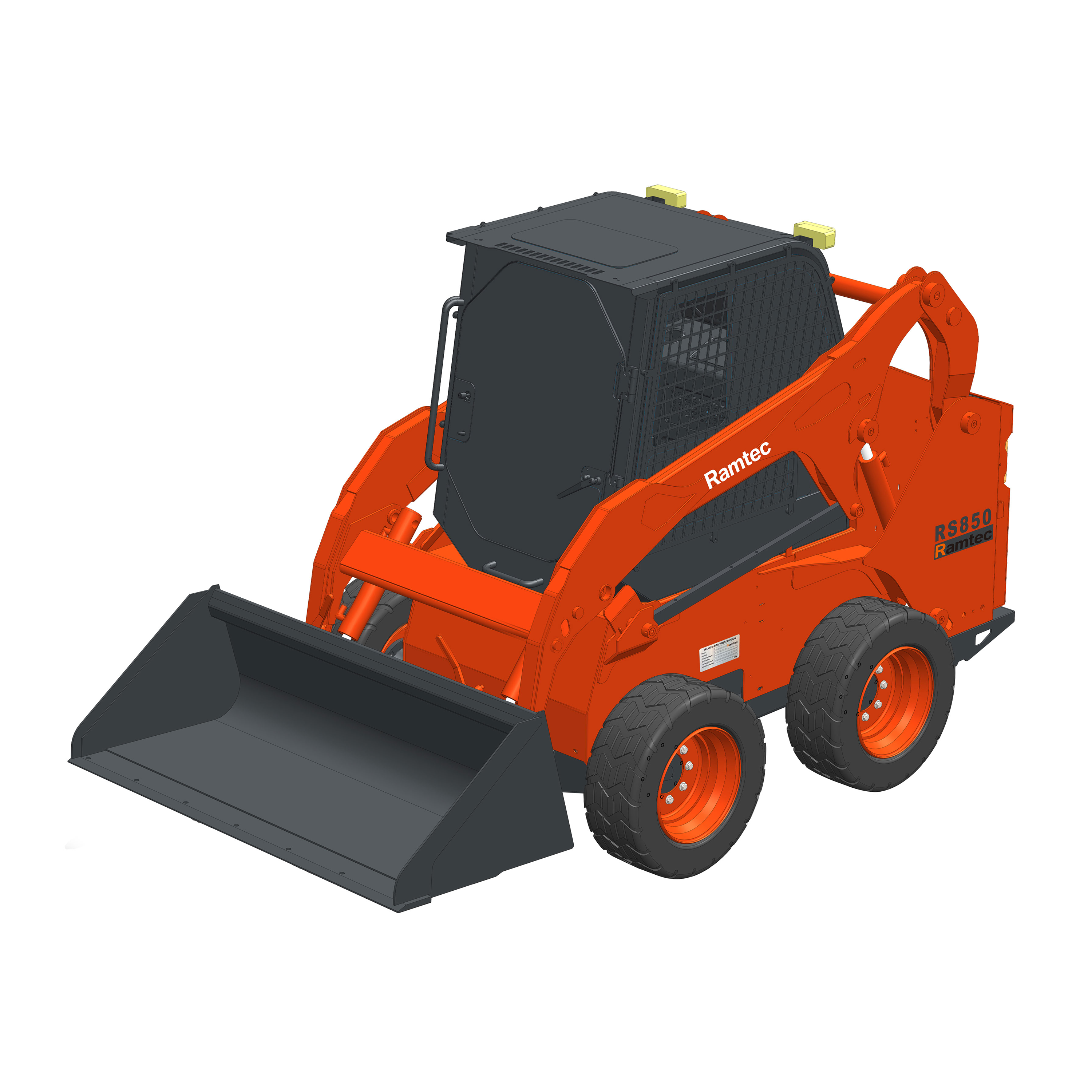
The Ultimate Guide to Selecting Customized Skid Steer Loaders

The Ultimate Guide to Selecting Customized Skid Steer Loaders
Table of Contents
- Understanding Skid Steer Loaders
- Benefits of Customization
- Key Features to Consider When Choosing a Skid Steer Loader
- Different Types of Skid Steer Loaders
- How to Select the Right Model for Your Needs
- Attachment Options for Skid Steer Loaders
- Maintenance and Care of Skid Steer Loaders
- Cost Considerations for Customized Skid Steer Loaders
- Frequently Asked Questions
Understanding Skid Steer Loaders
Skid steer loaders are compact, highly maneuverable machines designed for a variety of construction and landscaping tasks. Known for their versatility and efficiency, these loaders can be fitted with different attachments, making them ideal for tasks ranging from excavation to snow removal. Their unique design allows them to operate in tight spaces, making them a favorite in urban construction zones.
What Makes Skid Steer Loaders Unique?
The **skid steer loader's** defining feature is its wheeled or tracked design, which enables it to turn in place. This, combined with a powerful hydraulic system, allows operators to lift, move, and manipulate heavy loads with ease. The compact size and high lift capabilities make them well-suited for both commercial and residential projects.
Benefits of Customization
Investing in a **customized skid steer loader** offers numerous advantages tailored to your specific needs. Customization allows you to select features, attachments, and specifications that align with the particular demands of your job site, leading to enhanced efficiency and productivity.
Enhanced Versatility
Customized skid steer loaders can be equipped with various attachments, enabling operators to perform multiple tasks with a single machine. This adaptability reduces the need for multiple pieces of equipment, ultimately saving time and reducing operational costs.
Improved Performance
When you choose a customized loader, you can opt for more powerful engines, upgraded hydraulic systems, and enhanced lifting capacities. These improvements lead to better performance on demanding projects, ensuring that your equipment can handle the workload efficiently.
Increased Safety Features
Customization allows you to incorporate advanced safety features tailored to your job site's specific hazards. Whether it’s improved visibility, enhanced stability, or integrated safety controls, customizing your skid steer loader can significantly enhance operator safety.
Key Features to Consider When Choosing a Skid Steer Loader
Selecting the right skid steer loader involves evaluating several key features that impact performance, usability, and safety. Below are crucial aspects to keep in mind when making your choice.
Engine Power and Performance
The engine is the heart of any skid steer loader. **Horsepower** and torque ratings are critical as they determine the loader's lifting capabilities and overall performance. Choose an engine that meets the demands of your tasks while also considering fuel efficiency.
Hydraulic System
A robust hydraulic system enhances the loader's lifting capacity and attachment efficiency. Look for hydraulic systems with high flow rates and pressure ratings to ensure optimal performance of various attachments.
Operating Capacity
The operating capacity, or the maximum weight the loader can lift, is essential in selecting the correct model. Exceeding this limit can lead to equipment damage and safety hazards. Always assess the weights of the materials you will be handling to choose an appropriately rated loader.
Size and Maneuverability
Consider the size of the skid steer loader, especially if you will be working in confined spaces. Smaller models offer greater maneuverability, while larger models provide enhanced performance and payload capacity. Finding the right balance between size and power is crucial.
Comfort and Visibility
Operator comfort can significantly affect productivity. Look for loaders with ergonomic controls, adjustable seating, and excellent visibility. Features like enclosed cabs can also protect operators from harsh weather conditions, enhancing comfort and safety.
Different Types of Skid Steer Loaders
Understanding the various types of skid steer loaders can help you make an informed decision. Each type has unique features suited for specific applications.
Wheeled Skid Steer Loaders
Wheeled skid steer loaders are ideal for tasks on solid surfaces like asphalt and concrete. They offer superior speed and maneuverability, making them perfect for urban environments and light-duty applications.
Tracked Skid Steer Loaders
Tracked models provide enhanced traction and stability on uneven terrain. They are suitable for landscaping and earthmoving projects where ground conditions are less predictable. Their ability to distribute weight evenly reduces soil compaction, making them ideal for sensitive environments.
Mini Skid Steer Loaders
Mini skid steer loaders are compact machines perfect for small spaces and residential projects. Their lightweight design allows operators to navigate tight areas while still delivering impressive performance.
How to Select the Right Model for Your Needs
Choosing the right skid steer loader involves a systematic approach to evaluating your specific requirements and constraints. Here are steps to guide you through the selection process.
Assess Your Project Requirements
Begin by identifying the tasks you will perform with the skid steer loader. Consider the **weight limits**, terrain types, and specific attachments needed. This initial assessment will guide you in narrowing down your options.
Evaluate Worksite Conditions
Analyze the environment where the skid steer loader will operate. For example, if the worksite has uneven ground or soft soil, consider a tracked model for better traction. If you will be navigating urban areas, a more compact model may be best.
Compare Specifications
Once you have a list of potential models, compare their specifications carefully. Look at engine power, hydraulic flow rates, operating capacity, and dimensions. This comparison will help you identify the best fit for your needs.
Seek Expert Advice
Consult with equipment dealers or industry experts to gain insights into the best models for your specific applications. Their expertise can provide valuable information on performance, reliability, and potential challenges.
Attachment Options for Skid Steer Loaders
One of the main advantages of skid steer loaders is their ability to use a variety of attachments, enhancing their versatility. Here are some of the most common attachments available.
Bucket Attachments
Buckets are essential for loading and moving materials. Choose from standard, heavy-duty, or specialized buckets depending on your project requirements. Each type serves different functions, from general material handling to more specialized tasks.
Forks
Fork attachments are ideal for lifting and moving pallets and other heavy objects. They are particularly useful in warehouses and distribution centers.
Augers
Augers are perfect for drilling holes into the ground for fencing, planting, and more. They come in various sizes to accommodate different hole diameters.
Brush Cutters
Brush cutters enable operators to clear brush and vegetation quickly. This attachment is valuable for landscaping and land clearing projects.
Snow Removal Attachments
For winter maintenance, snow plows and blowers can be attached to skid steer loaders, ensuring efficient snow removal from roads and driveways.
Maintenance and Care of Skid Steer Loaders
Proper maintenance is essential for ensuring the longevity and performance of your skid steer loader. Here are some key maintenance tips to keep your machinery in optimal condition.
Regular Inspections
Conduct routine inspections to check for wear and tear, fluid levels, and overall equipment condition. Early detection of issues can prevent costly repairs and downtime.
Fluid Levels
Keep an eye on hydraulic fluid, engine oil, and coolant levels. Regularly changing these fluids according to the manufacturer's recommendations is crucial for maintaining performance.
Filter Changes
Replace air and fuel filters as part of routine maintenance. Clean filters improve efficiency and prolong the life of the engine.
Tire and Track Maintenance
For wheeled models, regularly inspect tire pressure and tread wear. For tracked models, maintain proper tension and check for signs of wear to ensure optimal performance and safety.
Cost Considerations for Customized Skid Steer Loaders
When investing in a customized skid steer loader, understanding the associated costs is vital. Here are some factors to consider.
Initial Purchase Price
The base price of the skid steer loader will vary based on brand, model, and features. Be sure to factor in any customization options that may increase the initial investment.
Operating Costs
Consider ongoing operational costs such as fuel, maintenance, and insurance. Efficient machines typically have lower operating costs, making them more economical in the long run.
Resale Value
Customization can affect resale value positively or negatively. Machines that are highly sought after or equipped with popular features may retain their value better than more specialized models.
Frequently Asked Questions
1. What is a skid steer loader used for?
Skid steer loaders are used for various tasks, including excavation, landscaping, snow removal, and material handling. Their versatility makes them suitable for many construction and industrial applications.
2. How do I choose the right size skid steer loader?
Selecting the right size involves evaluating the tasks you need to perform and the weight of materials you will be handling. A loader with an appropriate operating capacity ensures optimal performance.
3. Can I use attachments from different brands on my skid steer loader?
Most skid steer loaders use a universal quick-attach system, allowing compatibility with a range of attachments from different brands. However, always check compatibility before purchasing attachments.
4. How often should I perform maintenance on my skid steer loader?
Regular maintenance should include daily checks and more thorough inspections every 250 hours of operation. Follow the manufacturer's guidelines for specific maintenance intervals.
5. Are customized skid steer loaders worth the investment?
Customized skid steer loaders can enhance performance, safety, and versatility, often leading to increased productivity and lower operational costs. The investment is usually worthwhile for businesses with specific needs.
Conclusion
Selecting the right customized skid steer loader is critical for maximizing productivity and efficiency on any engineering or construction project. By understanding your specific needs, evaluating key features, and considering various attachment options, you can make an informed decision that suits your operational requirements. Proper maintenance and care will ensure that your investment serves you well for years to come, ultimately leading to successful project outcomes. Whether you are a contractor, landscaper, or DIY enthusiast, the right skid steer loader can make a world of difference in your workload and project success.
Related News