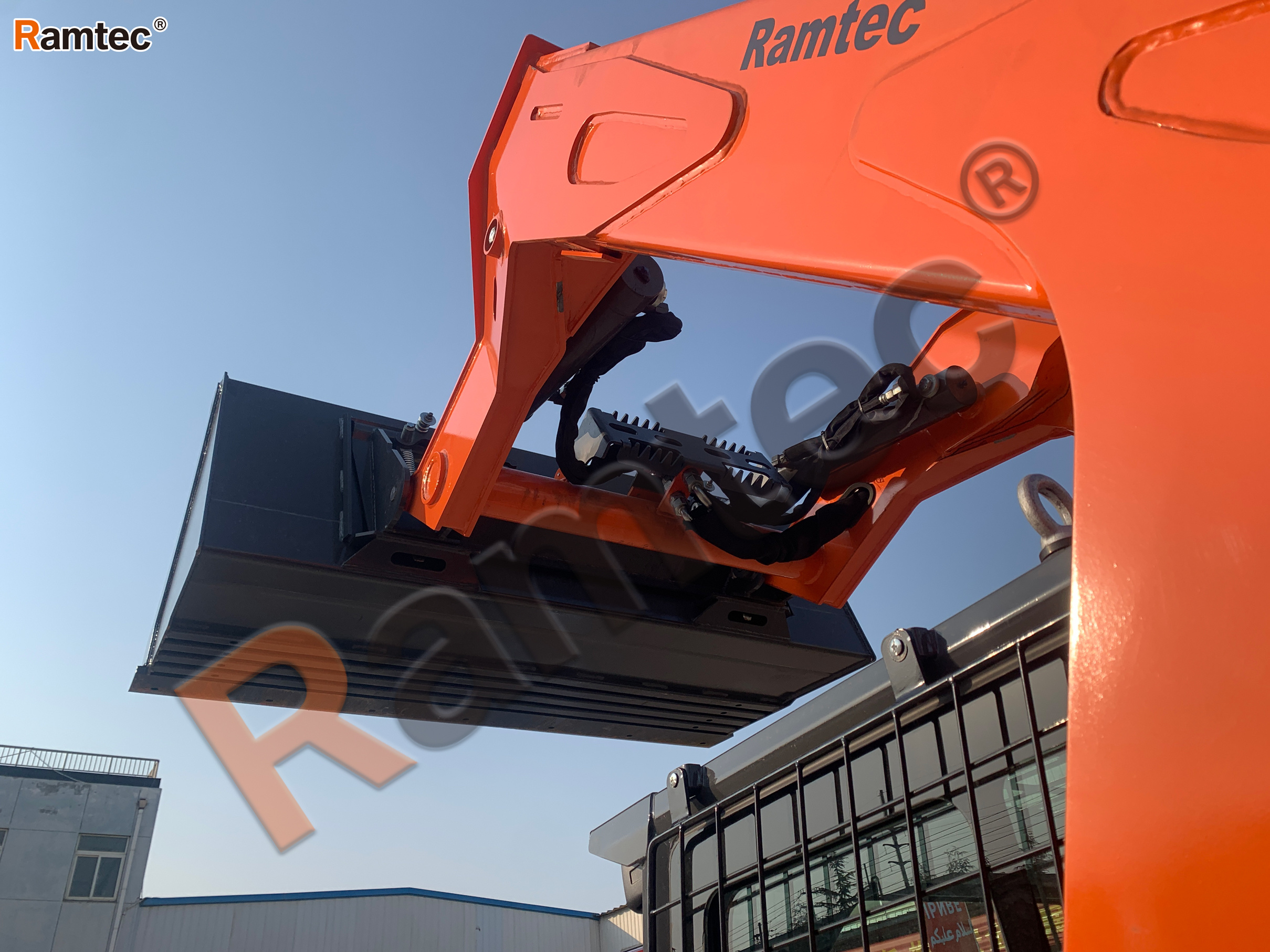
Hydraulic Rock Breakers Drive Efficiency in Modern Construction and Mining

In the rapidly evolving construction and mining industries, hydraulic rock breakers have become one of the most essential attachments for heavy machinery. Designed to break through hard rock, reinforced concrete, and other tough materials, hydraulic rock breakers significantly improve demolition efficiency, reduce manual labor, and enhance overall productivity on job sites. As infrastructure development accelerates across the world, the demand for reliable and powerful hydraulic breaking equipment continues to grow.
Hydraulic rock breakers are typically mounted on excavators, backhoes, or skid steer loaders. These machines convert hydraulic pressure from the carrier equipment into powerful impact energy. The repeated striking force generated by the breaker allows operators to fracture hard materials quickly and precisely. This makes hydraulic rock breakers particularly valuable in applications such as road construction, quarrying, tunnel excavation, building demolition, and foundation removal.
One of the key advantages of hydraulic rock breakers is their versatility. Contractors can easily attach or detach the breaker depending on the task at hand, allowing a single excavator to perform multiple functions on the same job site. This flexibility reduces the need for additional specialized machinery and helps construction companies optimize equipment investment.
Modern hydraulic rock breakers are engineered with advanced materials and precision components to withstand extreme working conditions. High-strength steel housings, wear-resistant chisels, and reinforced pistons ensure long service life even in demanding environments such as mining operations or large-scale infrastructure projects. Manufacturers also incorporate vibration reduction systems to protect the excavator and improve operator comfort during prolonged operation.
Technological advancements have further improved the performance of hydraulic rock breakers. Many models now feature automatic lubrication systems, noise reduction technology, and energy recovery mechanisms that increase impact efficiency while minimizing maintenance requirements. Intelligent hydraulic control systems allow the breaker to adjust power output based on the hardness of the material, ensuring optimal performance and fuel efficiency.
Environmental considerations have also influenced the design of modern rock breakers. Reduced noise levels, lower vibration transmission, and improved hydraulic efficiency help minimize environmental impact and comply with increasingly strict workplace safety regulations. These improvements are particularly important in urban demolition projects where noise control and safety are major concerns.
The global market for hydraulic rock breakers is expanding steadily due to ongoing infrastructure development and mining activities. Rapid urbanization in emerging economies has created strong demand for efficient demolition and excavation equipment. At the same time, developed countries continue to invest heavily in infrastructure maintenance, road expansion, and underground construction, further boosting the need for reliable rock breaking solutions.
In the mining sector, hydraulic rock breakers play a crucial role in secondary breaking operations. Large rocks extracted from blasting sites are often too big for transportation or processing. Rock breakers are used to reduce these oversized materials into manageable pieces, ensuring smooth operation of crushers and conveyor systems. This improves operational efficiency and prevents costly production delays.
Another important application is in tunnel construction and underground engineering. Hydraulic rock breakers help remove rock formations that cannot be effectively blasted due to safety concerns or proximity to existing structures. Their controlled impact force allows engineers to maintain precision while minimizing damage to surrounding areas.
Despite their advantages, proper maintenance and correct operation are essential for maximizing the lifespan of hydraulic rock breakers. Regular inspection of hydraulic hoses, seals, and chisel wear helps prevent unexpected breakdowns. Operators must also follow recommended working angles and avoid excessive blank firing to protect internal components.
Looking ahead, manufacturers are investing in research and development to further enhance breaker performance and durability. Integration with smart construction technologies, including telematics systems and equipment monitoring platforms, will allow contractors to track operating conditions and maintenance schedules more efficiently. These innovations will help reduce downtime and improve fleet management.
As construction projects become larger and more complex, the role of hydraulic rock breakers will continue to expand. Their ability to deliver powerful, controlled impact energy makes them indispensable tools for breaking hard materials safely and efficiently. With continuous technological improvements and increasing global demand, hydraulic rock breakers are expected to remain a critical component of modern construction and mining operations for many years to come.
Related News