Unlocking Efficiency: The Role of Demolition Grapples in Modern Construction

Unlocking Efficiency: The Role of Demolition Grapples in Modern Construction
Table of Contents
- Introduction to Demolition Grapples
- What Are Demolition Grapples?
- Benefits of Using Demolition Grapples in Construction
- Applications of Demolition Grapples in Modern Construction
- Types of Demolition Grapples and Their Features
- How to Choose the Right Demolition Grapple for Your Project
- Safety Considerations When Using Demolition Grapples
- The Future of Demolition Grapples in Construction
- Conclusion
- Frequently Asked Questions about Demolition Grapples
Introduction to Demolition Grapples
In the fast-paced world of modern construction, efficiency is key. As we strive for faster project completion without compromising safety or quality, the tools we use become increasingly important. **Demolition grapples** have emerged as crucial equipment that streamlines processes, enhances safety, and maximizes productivity in construction. This article delves into the role of demolition grapples, exploring their advantages, applications, and future potential in the construction industry.
What Are Demolition Grapples?
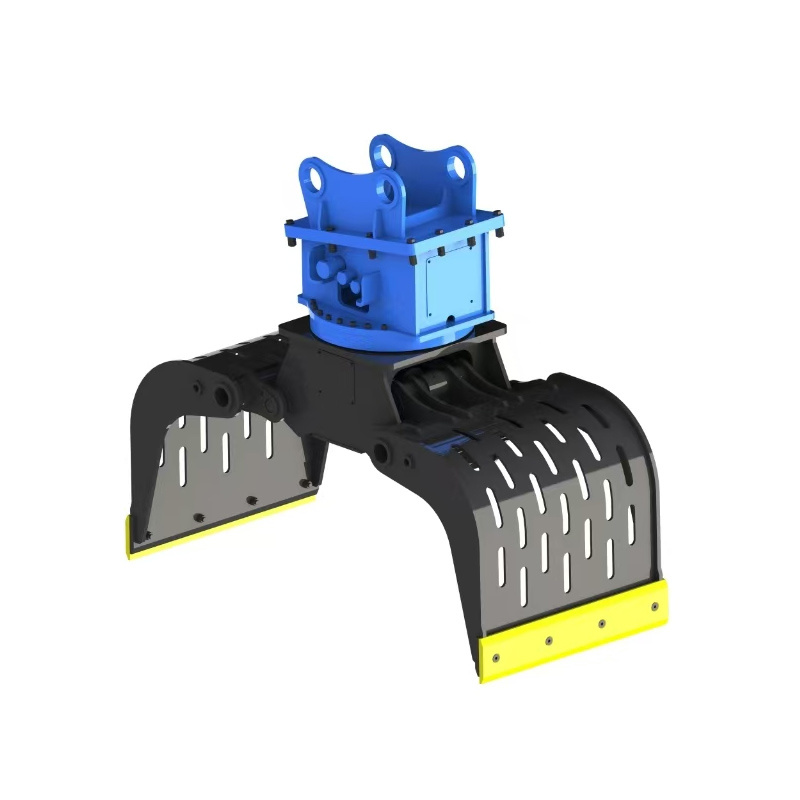
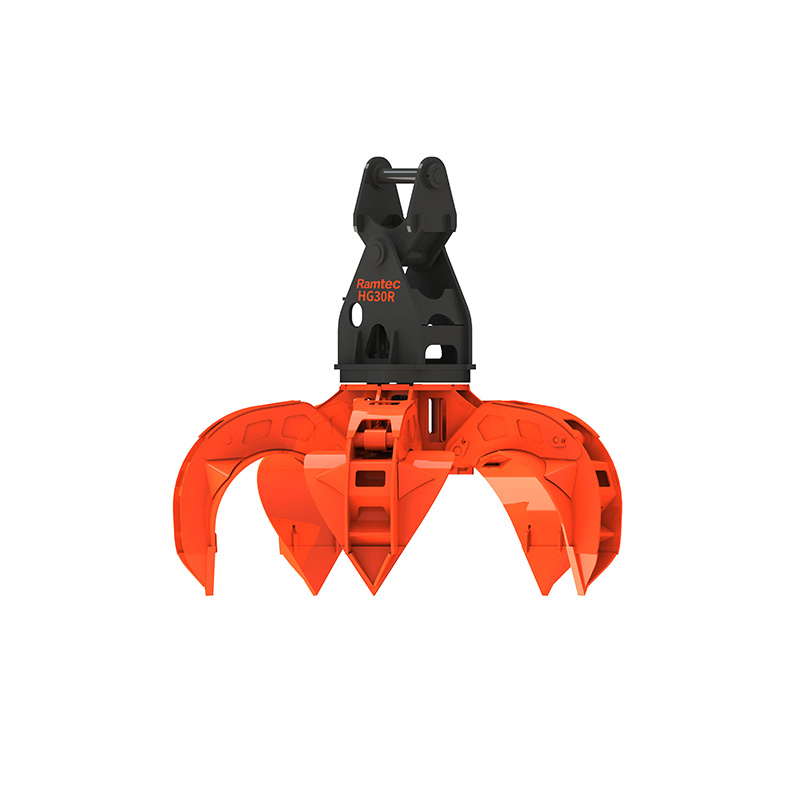
Demolition grapples are specialized attachments designed for heavy machinery, such as excavators and loaders. These devices are engineered to grasp, hold, and manipulate debris and materials during demolition or construction processes. Featuring a robust design equipped with hydraulic or mechanical systems, demolition grapples allow operators to handle large sections of material with precision and control.
Key Features of Demolition Grapples
- **Robust Construction**: Made from high-strength materials, demolition grapples are built to withstand the rigors of tough demolition tasks.
- **Versatile Design**: Many grapples are designed to adapt to various machines, enhancing their utility across different projects.
- **Hydraulic Systems**: Most modern grapples utilize hydraulic technology, enabling precise movements and control over heavy materials.
Benefits of Using Demolition Grapples in Construction
The integration of demolition grapples into construction sites offers numerous benefits that contribute to overall efficiency and productivity.
1. Enhanced Efficiency
Demolition grapples allow for faster material handling compared to traditional methods. By grasping and lifting large debris in a single motion, these tools significantly reduce the time spent on tasks like debris removal and demolition clean-up.
2. Improved Safety Measures
Safety is paramount in construction. Grapples minimize the need for manual labor in hazardous areas, reducing the risk of accidents. Operators can handle materials from a safe distance, ensuring compliance with safety regulations and best practices.
3. Versatility Across Applications
Demolition grapples are adaptable to various applications, from residential renovations to large-scale industrial demolitions. Their ability to grasp different types of materials—be it concrete, metal, or wood—makes them invaluable on construction sites.
4. Cost-Effectiveness
While the initial investment in demolition grapples may be significant, the long-term savings are substantial. Increased efficiency translates to reduced labor costs and quicker project timelines, allowing businesses to take on more projects simultaneously.
Applications of Demolition Grapples in Modern Construction
Demolition grapples are employed in various construction processes. Here are some common applications:
1. Building Demolition
Demolition grapples excel in dismantling structures, allowing operators to systematically remove large sections of buildings. Their ability to handle heavy materials makes them ideal for demolishing multi-story facilities.
2. Site Cleanup
After a demolition project, cleanup is essential. Grapples efficiently gather debris, helping to restore the site to a safe and usable condition quickly.
3. Material Handling
In addition to demolition, grapples are effective in moving materials around construction sites. Whether transporting salvaged materials or moving equipment, grapples streamline operations.
4. Excavation Projects
During excavation, grapples can assist in removing unwanted materials, such as rocks and roots, ensuring a smooth and efficient digging process.
Types of Demolition Grapples and Their Features
Understanding the different types of demolition grapples can aid in selecting the right tool for your project. Here are some common types:
1. Standard Grapples
These are versatile and typically used for general demolition and material handling tasks. They come with two or more fingers that open and close to grasp materials.
2. Steel Grapples
Designed for heavy-duty applications, steel grapples are perfect for handling metal and other tough materials. Their robust construction allows them to withstand severe stresses.
3. Multi-Purpose Grapples
As the name suggests, these grapples are versatile, capable of handling a variety of materials. They are particularly useful when dealing with mixed debris, such as wood, metal, and concrete.
4. Heavy-Duty Grapples
For the toughest jobs, heavy-duty grapples are built to manage the most substantial loads. Their reinforced design ensures they maintain performance, even under extreme conditions.
How to Choose the Right Demolition Grapple for Your Project
Selecting the appropriate demolition grapple is crucial for optimizing project efficiency. Here are key considerations to keep in mind:
1. Understand Your Project Needs
Evaluate the specific requirements of your project, including the types of materials you'll be handling and the size of the machinery you plan to use.
2. Consider Load Capacity
Make sure to choose a grapple that can handle the maximum weight of the materials involved in your project. Overloading can lead to equipment failure and safety hazards.
3. Assess Compatibility
Ensure that the grapple you choose is compatible with your existing machinery. An incompatible grapple can create inefficiencies and result in additional costs.
4. Evaluate Features and Options
Look for features that may enhance your grapple's performance, such as hydraulic controls, grapple rotation, and finger design.
Safety Considerations When Using Demolition Grapples
Operating demolition grapples safely is crucial for protecting workers and ensuring a successful project. Here are important safety guidelines:
1. Regular Maintenance
Routine maintenance of grapples is essential for ensuring they operate effectively and safely. Regular inspections can prevent equipment failure and reduce the risk of accidents.
2. Operator Training
Ensure that all operators are adequately trained to use demolition grapples. Proper training minimizes the risk of accidents and maximizes efficiency.
3. Use Safety Equipment
Operators should always wear appropriate safety gear, including helmets, gloves, and protective eyewear, to mitigate risks associated with construction work.
4. Follow Safety Protocols
Adhering to established safety protocols and guidelines for operating heavy machinery is essential. This includes maintaining a safe distance from the grapple’s range and keeping the work area clear of unnecessary personnel.
The Future of Demolition Grapples in Construction
As technology continues to evolve, the future of demolition grapples looks promising. Advancements in automation and robotics could lead to smarter grapples that enhance efficiency and safety even further. Integration with AI and machine learning may allow grapples to optimize their functions in real-time, adapting to various materials and site conditions.
Additionally, with a growing emphasis on sustainability, we can expect new grapple designs that enhance recycling and repurposing efforts on construction sites. These innovations will ensure that demolition grapples remain vital tools in modern construction, driving efficiency and supporting sustainable practices.
Conclusion
Demolition grapples play a pivotal role in modern construction, bringing unparalleled efficiency to demolition and material handling. Their versatility, safety features, and cost-effectiveness make them indispensable tools in the construction industry. As technology advances, the evolution of demolition grapples will continue to enhance their effectiveness, ensuring they remain at the forefront of construction innovation. Embracing these tools not only boosts productivity but also contributes to safer, more efficient project execution.
Frequently Asked Questions about Demolition Grapples
1. What is the primary function of a demolition grapple?
The primary function of a demolition grapple is to grasp, hold, and manipulate large pieces of debris and materials during demolition and construction processes.
2. Can demolition grapples be used with different types of machinery?
Yes, many demolition grapples are designed to be compatible with various types of heavy machinery, such as excavators and loaders.
3. How do I determine the right size of grapple for my project?
Assess the load capacity requirements of your project and ensure that the grapple can handle the maximum weight of the materials involved. Compatibility with your machinery is also crucial.
4. Are there safety regulations for using demolition grapples?
Yes, operators must adhere to safety regulations and guidelines, which include proper training, the use of safety gear, and routine maintenance of the equipment.
5. What advancements can we expect in the future of demolition grapples?
Future advancements may include the integration of AI for real-time optimization, automation, and designs that promote sustainability and recycling efforts during demolition projects.
Related News