The Connection Between Hydraulic Breakers and Skid Steer Loader Success: Maximizing Efficiency in Construction
The Connection Between Hydraulic Breakers and Skid Steer Loader Success
In the fast-paced world of construction, having the right tools can mean the difference between success and failure. Two essential players in this arena are **hydraulic breakers** and **skid steer loaders**. This article delves into how the synergy between these two machines can elevate construction projects to new heights, improving productivity and efficiency while reducing costs.
Understanding Hydraulic Breakers
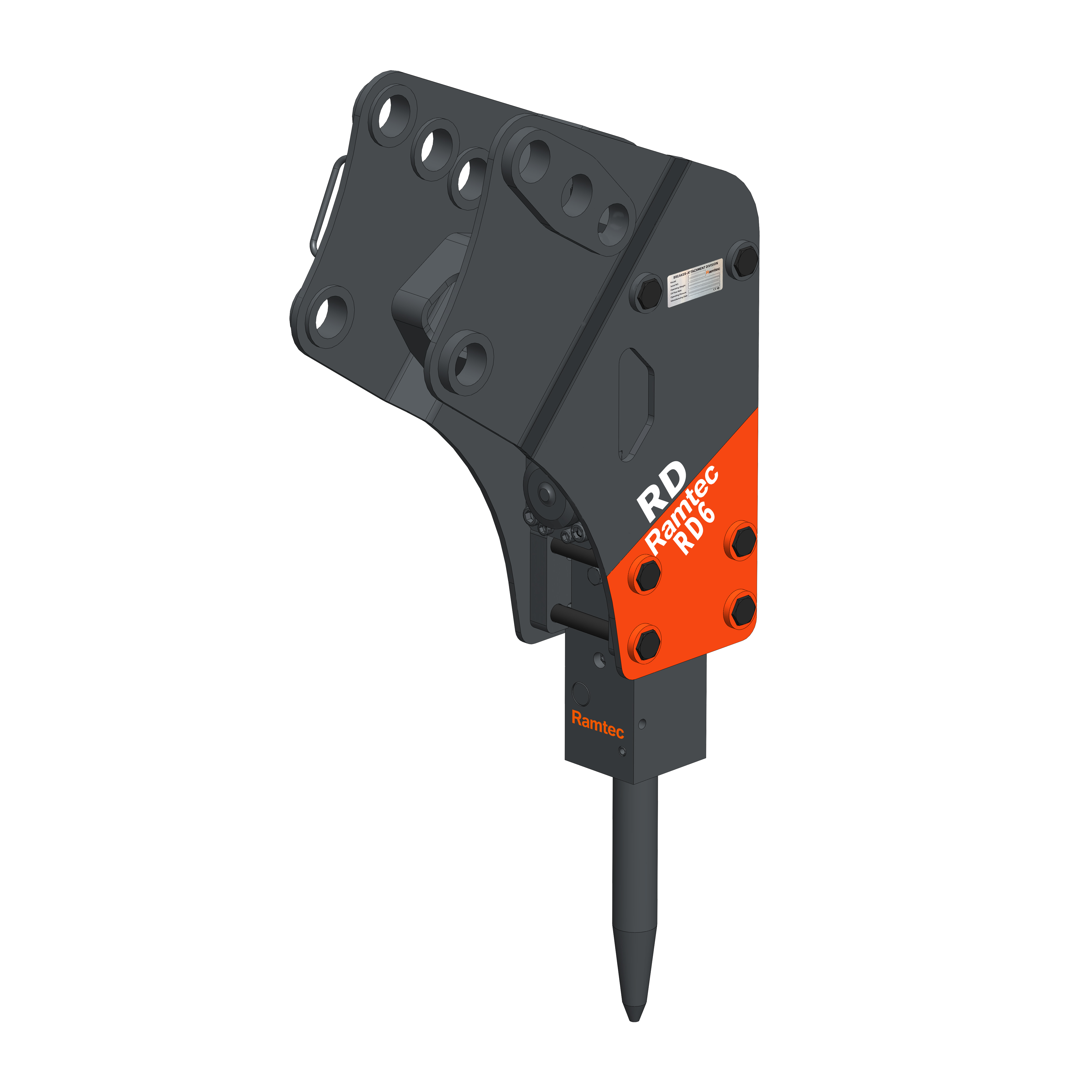
Hydraulic breakers, often referred to as **demolition hammers**, are powerful tools designed for breaking through concrete, asphalt, and other tough materials. These machines leverage hydraulic energy to deliver high-impact blows, making them indispensable in construction and demolition tasks.
How Hydraulic Breakers Work
Hydraulic breakers function on a simple yet effective principle. They utilize hydraulic pressure to operate a piston, which strikes a chisel-like tool attached to the breaker. This mechanism generates significant force, allowing the breaker to fracture hard surfaces efficiently. The versatility of hydraulic breakers makes them suitable for various applications, from breaking up old pavement to demolishing structures.
Types of Hydraulic Breakers
There are several types of hydraulic breakers, each designed to meet specific needs:
1. **Box-Type Breakers**: Known for their compact design, these are ideal for small excavation projects.
2. **Side-Type Breakers**: These offer higher power and are commonly used in larger demolition tasks.
3. **Silent Breakers**: Designed for noise-sensitive environments, these breakers minimize sound while maintaining effectiveness.
What is a Skid Steer Loader?
A **skid steer loader** is a compact, maneuverable machine equipped with lift arms and interchangeable attachments. This versatility allows operators to perform a wide range of tasks, including digging, grading, and lifting materials. Skid steer loaders are particularly popular in urban environments where space is limited.
Key Features of Skid Steer Loaders
Skid steer loaders come with several features that enhance their functionality:
- **Compact Design**: Their small footprint allows for easy navigation in tight spaces.
- **Versatile Attachments**: From buckets to hydraulic breakers, a variety of attachments can be used, making them adaptable to various tasks.
- **360-Degree Visibility**: Operators benefit from excellent visibility, improving safety on job sites.
Applications of Skid Steer Loaders in Construction
These machines are widely used in several applications, including:
- **Site Preparation**: Clearing and grading land for new construction.
- **Material Handling**: Moving heavy loads around job sites efficiently.
- **Light Demolition**: Collaborating with attachments like hydraulic breakers to break down structures.
The Synergy Between Hydraulic Breakers and Skid Steer Loaders
Integrating hydraulic breakers with skid steer loaders can significantly enhance project efficiency. The combination allows for versatile operation, enabling construction teams to tackle multiple tasks with a single piece of machinery.
Maximizing Efficiency with Hydraulic Breakers on Skid Steer Loaders
When hydraulic breakers are used with skid steer loaders, several benefits arise:
- **Increased Productivity**: The combination allows operators to break up materials and move them quickly, reducing downtime.
- **Space-Saving Design**: The compact nature of skid steer loaders ensures that work can continue even in confined spaces.
- **Cost Savings**: By reducing the need for separate machines, construction companies can save on equipment costs and maintenance.
Choosing the Right Hydraulic Breaker for Your Skid Steer Loader
To maximize the effectiveness of your skid steer loader when using a hydraulic breaker, consider the following factors:
- **Weight and Size Compatibility**: Ensure the breaker is suitable for the specific model of skid steer loader.
- **Impact Energy**: Choose a hydraulic breaker that provides the appropriate impact energy for your intended tasks.
- **Ease of Attachment**: Select a breaker that can be easily attached and detached for quick changes on the job site.
Maintenance Tips for Optimal Performance
Proper maintenance is critical to ensure that both hydraulic breakers and skid steer loaders perform efficiently. Here are some essential maintenance tips:
Regular Inspection
Conduct regular inspections of both machines to identify any signs of wear or damage. Pay particular attention to hydraulic hoses and connections, as leaks can impact performance.
Hydraulic Fluid Levels
Keep the hydraulic fluid at optimal levels. Low fluid can lead to decreased performance and increased wear on components.
Cleaning and Lubrication
After use, clean the hydraulic breaker and skid steer loader to remove dirt and debris. Regular lubrication of moving parts can prevent rust and ensure smooth operation.
Safety Considerations When Using Hydraulic Breakers
Safety is paramount when operating hydraulic breakers and skid steer loaders. Here are some essential safety practices:
Personal Protective Equipment (PPE)
Always wear appropriate PPE, including hard hats, goggles, and gloves. This ensures that operators are protected from falling debris and other hazards.
Proper Training
Ensure that operators are trained in the safe use of both machines. Proper training reduces the risk of accidents and increases overall productivity.
Site Safety Protocols
Establish site safety protocols, including clear communication among team members. Designate areas for breaking operations to ensure that bystanders are kept at a safe distance.
FAQs About Hydraulic Breakers and Skid Steer Loaders
1. Can I use any hydraulic breaker with my skid steer loader?
Not all hydraulic breakers are compatible with every skid steer loader. It’s essential to choose a breaker that matches the weight and hydraulic capacity of your loader.
2. How do I know if my hydraulic breaker is underperforming?
Signs of underperformance include decreased impact force, unusual noises, or excessive vibration during operation. Regular maintenance and inspections can help identify these issues.
3. What maintenance steps should I take to prolong the life of my hydraulic breaker?
Regularly inspect for wear, maintain hydraulic fluid levels, and keep the breaker clean and well-lubricated.
4. Are hydraulic breakers environmentally friendly?
When used properly, hydraulic breakers minimize noise pollution and can be more efficient than traditional demolition methods, reducing dust and debris.
5. Can I rent hydraulic breakers and skid steer loaders for short-term projects?
Yes, many equipment rental companies offer hydraulic breakers and skid steer loaders for rent, making them accessible for short-term projects without a large investment.
Conclusion
The connection between hydraulic breakers and skid steer loaders is a powerful alliance in the construction industry. By understanding how to effectively utilize these machines together, construction teams can enhance productivity, improve safety, and reduce costs. As the demand for efficient and versatile construction solutions continues to grow, the synergy between hydraulic breakers and skid steer loaders will remain a key driver of success in projects across various sectors. Investing in the right equipment and ensuring proper maintenance and training are essential steps in maximizing the benefits these machines offer.
Related News

