Hydraulic Breakers vs. Traditional Methods: A Backhoe Loader Perspective
Hydraulic Breakers vs. Traditional Methods: A Backhoe Loader Perspective
Introduction to Hydraulic Breakers and Traditional Methods
In the ever-evolving world of construction and demolition, the tools and methods employed can significantly impact project efficiency and cost. **Hydraulic breakers**, often mounted on backhoe loaders, have gained popularity as an alternative to **traditional demolition techniques**. This article investigates the strengths and weaknesses of hydraulic breakers compared to conventional methods, offering insights specifically from a backhoe loader perspective.
Understanding Hydraulic Breakers
What Are Hydraulic Breakers?
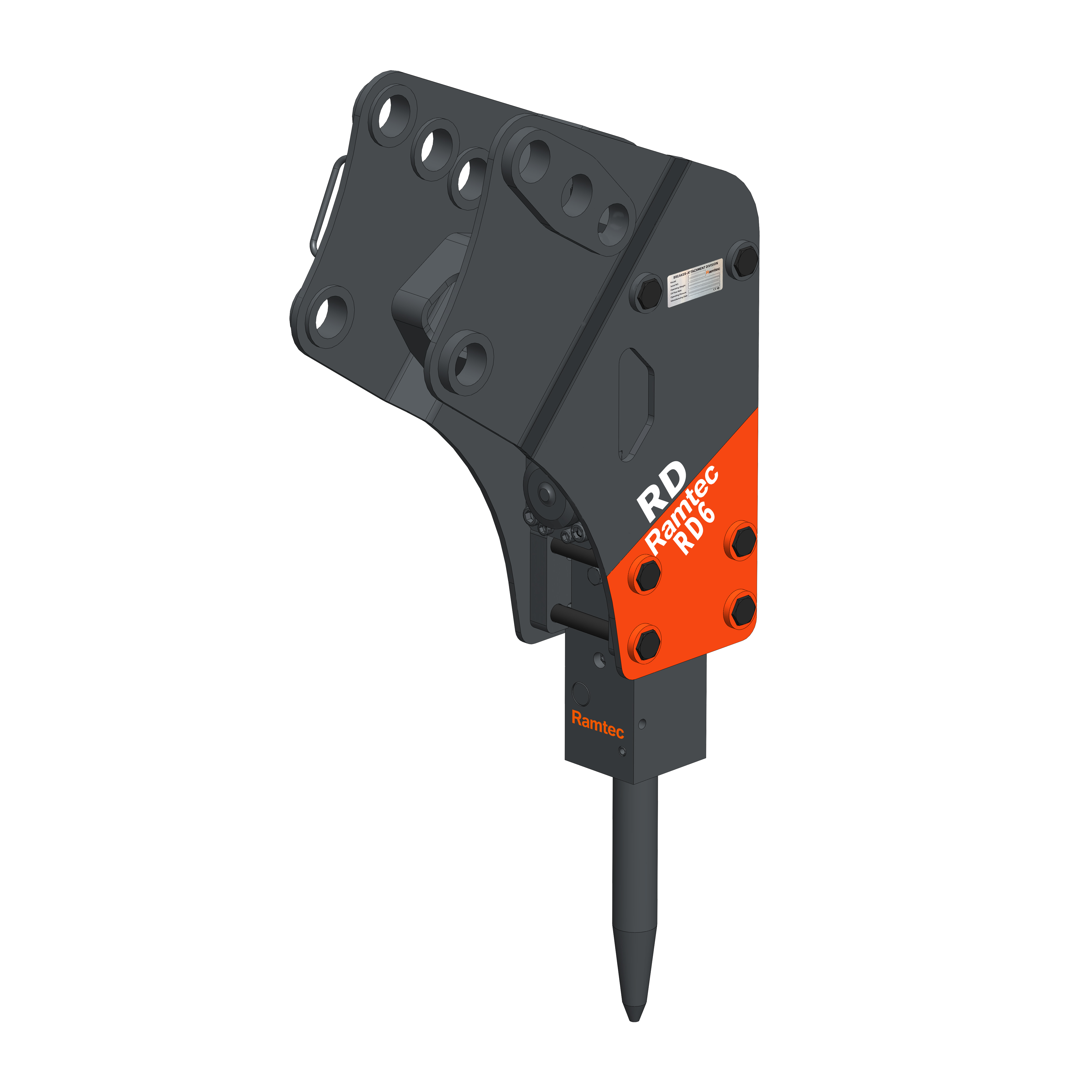
Hydraulic breakers are powerful tools designed to break rock, concrete, and asphalt. They utilize hydraulic pressure to deliver high-impact force, making them highly effective for demolition and excavation tasks. Mounted on a backhoe loader, these machines can easily reach challenging areas and provide operators with enhanced flexibility.
How Do Hydraulic Breakers Work?
Hydraulic breakers function by using hydraulic fluid to generate energy, which is then converted into a striking force. This process involves several components, including:
- **Hydraulic cylinder**: Generates the force needed for impact.
- **Piston**: Delivers the impact energy to the breaker tool.
- **Chisel or tool bit**: The part that physically strikes the material to be broken.
The combination of these elements allows hydraulic breakers to fracture materials quickly and efficiently, reducing the time and labor required for demolition tasks.
The Traditional Methods of Demolition
Overview of Conventional Demolition Techniques
Traditional demolition methods include mechanical means such as jackhammers, sledgehammers, and even explosives. These methods have been used for decades, but they come with their own set of challenges and limitations.
Limitations of Traditional Demolition Methods
While traditional methods have proven effective, several limitations make them less attractive compared to hydraulic breakers:
- **Labor-Intensive**: Many traditional methods require a significant workforce, increasing labor costs.
- **Time-Consuming**: Demolition using conventional techniques can take considerably longer.
- **Safety Risks**: The manual nature of traditional methods can pose greater safety risks to workers.
Comparative Analysis: Hydraulic Breakers vs. Traditional Methods
Efficiency and Speed
One of the most significant advantages of using hydraulic breakers is their efficiency. Hydraulic breakers can demolish large volumes of material in a fraction of the time it takes traditional methods. For instance, while a crew may take hours to break up concrete using jackhammers, a hydraulic breaker can accomplish the same task in minutes.
Cost-Effectiveness
When assessing cost-effectiveness, hydraulic breakers often prove to be the more economical choice. Although the initial investment in hydraulic equipment may be higher, the reduced labor costs and faster project completion times result in significant savings in the long run.
Versatility of Backhoe Loaders with Hydraulic Breakers
Backhoe loaders equipped with hydraulic breakers offer unparalleled versatility. They can perform various tasks, from breaking concrete and rock to digging and lifting. This multifunctionality allows construction teams to streamline operations, reducing downtime and improving overall project flow.
Applications of Hydraulic Breakers in Construction
Excavation and Demolition Projects
Hydraulic breakers are invaluable in excavation and demolition projects. With their ability to efficiently break through tough materials, they are ideal for clearing construction sites and preparing foundations.
Road Construction and Maintenance
In road construction and maintenance, hydraulic breakers help break up asphalt and concrete for repairs and expansions. Their speed and efficiency minimize traffic disruptions and ensure that projects are completed on time.
Utility Installation and Repair
For utility installation and repair, hydraulic breakers facilitate the quick and efficient excavation of soil and rock. This capability proves beneficial when working in confined spaces or areas with existing infrastructure.
Choosing the Right Option: Factors to Consider
Project Scope and Requirements
When deciding between hydraulic breakers and traditional methods, it's essential to evaluate the specific requirements of your project. Large-scale demolition projects typically benefit more from hydraulic breakers, while smaller tasks may still be efficiently managed using traditional techniques.
Budget Constraints
Budget considerations play a crucial role in selecting the appropriate method. While hydraulic breakers may require a higher initial investment, their long-term savings often justify the cost. Conversely, if the project is small and budget-limited, traditional methods may be more feasible.
Site Conditions
Assessing site conditions is critical. If the location has limited accessibility or challenging terrain, hydraulic breakers mounted on backhoe loaders can navigate these areas with ease, making them the superior choice.
Safety Considerations for Operators
Safety Features of Hydraulic Breakers
Hydraulic breakers come with various safety features, including:
- **Automatic shutoff**: Prevents damage from overheating.
- **Noise reduction technology**: Minimizes noise pollution, enhancing operator safety.
- **Vibration dampening systems**: Reduces the risk of operator fatigue and injury.
Safety Protocols for Traditional Methods
While traditional methods can be effective, they often require extensive safety protocols to mitigate risks. These can include:
- **Personal Protective Equipment (PPE)**: Such as hard hats, gloves, and goggles.
- **Workplace Safety Training**: Ensuring workers are trained in safe operation techniques.
Frequently Asked Questions (FAQs)
1. What are the main benefits of using hydraulic breakers over traditional methods?
Hydraulic breakers offer increased efficiency, speed, versatility, and cost-effectiveness, making them a preferred choice for many construction projects.
2. Are hydraulic breakers suitable for smaller-scale projects?
While hydraulic breakers excel in larger projects, they can also be efficient for smaller tasks when time and labor costs are considered.
3. How do I choose between hydraulic breakers and traditional methods?
Consider factors such as project scope, budget constraints, and site conditions when determining which method to employ.
4. What safety measures should be taken when using hydraulic breakers?
Operators should wear appropriate PPE, adhere to safety protocols, and ensure that the equipment is properly maintained.
5. Can hydraulic breakers be used for utility installation?
Yes, hydraulic breakers are highly effective for utility installation, facilitating the excavation of soil and rock in confined spaces.
Conclusion
In summary, the comparison between hydraulic breakers and traditional demolition methods from a backhoe loader perspective reveals significant advantages for hydraulic technology. The increased efficiency, cost-effectiveness, and flexibility make hydraulic breakers a compelling choice for modern construction projects. As the industry continues to evolve, embracing innovative tools like hydraulic breakers will not only enhance productivity but also improve safety and reduce project timelines. Ultimately, selecting the most suitable method hinges on project specifics, budget, and site conditions, ensuring that every project is executed with the utmost efficiency and effectiveness.
Related News
2026-02-16