How Demolition Grapples Enhance Efficiency in Construction Sites

How Demolition Grapples Enhance Efficiency in Construction Sites
In the ever-evolving world of construction, efficiency is paramount. Large-scale projects demand tools and machinery that can handle heavy loads, streamline processes, and ensure safety on-site. One such tool that has gained significant traction in recent years is the demolition grapple. This article explores how demolition grapples enhance efficiency in construction sites, focusing on their design, functionality, and the benefits they bring to the construction industry.
Table of Contents
- Introduction to Demolition Grapples
- Understanding Demolition Grapples
- Mechanisms of Demolition Grapples
- Benefits of Using Demolition Grapples in Construction
- Applications of Demolition Grapples in Construction
- Choosing the Right Demolition Grapple for Your Project
- Safety Considerations When Using Demolition Grapples
- The Future of Demolition Grapples in Construction
- Conclusion
- Frequently Asked Questions
Introduction to Demolition Grapples
Demolition grapples, an essential tool in the construction industry, are designed for heavy lifting, sorting, and moving materials efficiently. Unlike traditional buckets, grapples provide a more secure grip on various materials, making them ideal for demolition and excavation tasks. As construction sites become more complex, the demand for specialized equipment like demolition grapples increases. This article will delve into the inner workings of demolition grapples, their advantages, and how they contribute to increased efficiency on construction sites.
Understanding Demolition Grapples
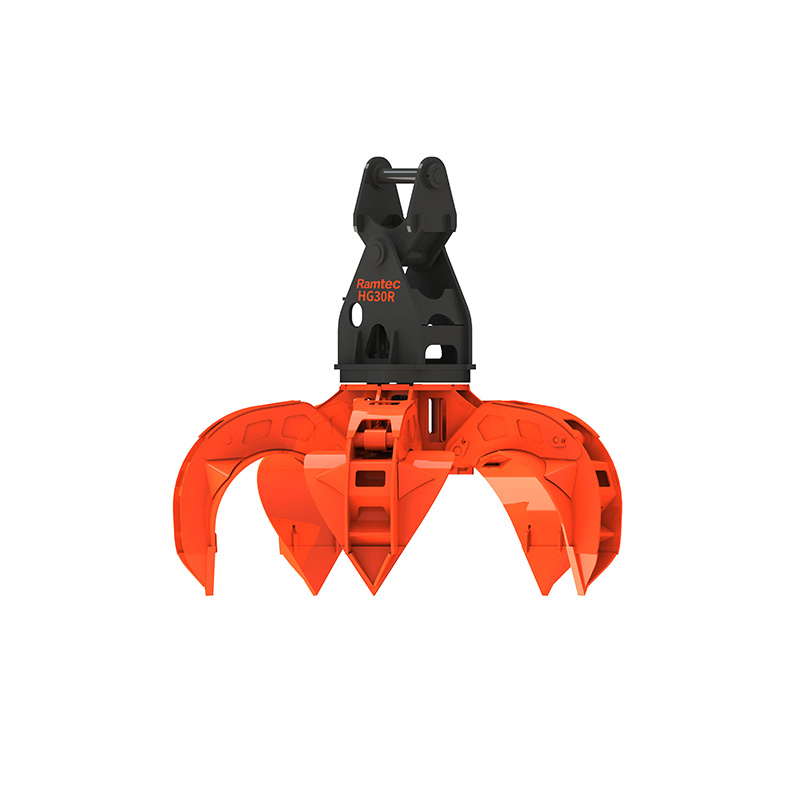
Demolition grapples are specialized attachments for excavators and cranes, characterized by their claw-like structure that allows them to grab, lift, and move heavy materials with precision. These tools are typically constructed from high-strength steel to withstand the rigors of heavy-duty use in demanding environments.
There are several types of demolition grapples available, including:
- Rotating Grapples: These allow for a 360-degree rotation, providing enhanced control when positioning materials.
- Mechanical Grapples: These are operated manually or via hydraulic controls, offering a balance of simplicity and functionality.
- Scrap Grapples: Specifically designed for handling scrap materials, these grapples can efficiently sort and transport debris.
Key Features of Demolition Grapples
The key features of demolition grapples include:
- Durability: Made from robust materials to withstand heavy use.
- Versatility: Suitable for various materials, including concrete, steel, and wood.
- Enhanced Grip: Allows for secure handling of materials, reducing the risk of drops and accidents.
Mechanisms of Demolition Grapples
Understanding the mechanisms behind demolition grapples is crucial for maximizing their efficiency on construction sites. Grapples operate through a combination of hydraulic systems and mechanical components. The hydraulic system provides the necessary force to open and close the grapple, while the mechanical structure ensures a secure grip on materials.
Hydraulic Systems
The hydraulic system in a demolition grapple consists of cylinders and hoses that transmit hydraulic fluid. When the operator activates the grapple, hydraulic fluid moves through the cylinders, causing the jaws to open or close. This mechanism allows for quick and precise movements, enabling operators to handle materials with ease.
Mechanical Components
The mechanical structure of a grapple includes the jaws, pivot points, and frame. The design must ensure stability under heavy loads, allowing for smooth operation even in challenging conditions. The quality of these components directly affects the grapple's performance, making it essential to choose high-quality products.
Benefits of Using Demolition Grapples in Construction
Implementing demolition grapples in construction projects offers numerous advantages that enhance overall efficiency and productivity:
1. Increased Efficiency
Demolition grapples significantly speed up the process of material handling. With their ability to pick up and move large quantities of debris quickly, they reduce the time workers spend on manual labor. As a result, projects can be completed faster, reducing labor costs and improving project timelines.
2. Improved Safety
Safety is a paramount concern on construction sites. Demolition grapples minimize the risk of injuries associated with manual lifting and handling. Their secure grip ensures that materials are less likely to slip or fall, protecting workers and bystanders.
3. Versatile Applications
Demolition grapples are versatile tools that can be used in various applications, including demolition, excavation, and recycling. Their adaptability makes them a valuable addition to any construction fleet.
4. Enhanced Precision
With the ability to position materials accurately, demolition grapples allow for increased precision in tasks such as sorting and loading. This capability reduces waste and ensures that materials are used effectively.
Applications of Demolition Grapples in Construction
Demolition grapples are utilized in a wide range of construction applications, including:
1. Demolition Projects
In demolition sites, grapples excel at removing debris and handling heavy materials. Their ability to sort and separate different types of materials enhances recycling efforts, making projects more environmentally friendly.
2. Material Handling
During construction, grapples facilitate the handling of various materials, from steel and concrete to wood and aggregates. Their versatility allows for seamless transitions between tasks, minimizing downtime.
3. Recycling Operations
Demolition grapples play a critical role in recycling operations by efficiently sorting and transporting recyclable materials. By enhancing the recycling process, they contribute to sustainable construction practices.
Choosing the Right Demolition Grapple for Your Project
Selecting the appropriate demolition grapple for a specific project involves considering several factors:
1. Project Requirements
Assess the specific needs of your project, including the types of materials you will be handling and the weight capacities required. This evaluation will help identify the most suitable grapple.
2. Compatibility with Machinery
Ensure that the grapple is compatible with your existing machinery, such as excavators or cranes. Proper compatibility ensures optimal performance and safety during operation.
3. Quality and Durability
Investing in high-quality grapples made from durable materials will result in lower maintenance costs and increased longevity of the equipment.
Safety Considerations When Using Demolition Grapples
While demolition grapples offer numerous benefits, safety should always be a top priority. Here are essential safety considerations:
1. Operator Training
Ensure that all operators are adequately trained in using demolition grapples. Familiarity with the equipment's functions and safety protocols can prevent accidents.
2. Regular Maintenance
Conduct regular maintenance checks on the grapples and associated machinery. This practice helps identify potential issues before they escalate into serious problems.
3. Safety Equipment
Ensure that operators wear appropriate personal protective equipment (PPE), including helmets, gloves, and safety glasses, to mitigate the risk of injury on site.
The Future of Demolition Grapples in Construction
As technology advances, the future of demolition grapples looks promising. Innovations such as smart technology and automation are likely to enhance the functionality and efficiency of these tools. For instance, grapples equipped with sensors may be able to detect the weight and type of material being handled, allowing for more precise control and handling.
Furthermore, as sustainability becomes an increasingly important focus in construction, grapples that aid in recycling and waste reduction will continue to gain relevance. The future of demolition grapples is intertwined with advancements in construction techniques and environmental considerations.
Conclusion
In summary, demolition grapples are invaluable tools that significantly enhance efficiency in construction sites. Their design, functionality, and various applications offer numerous benefits, including increased productivity, improved safety, and versatility. As construction projects become more complex, the role of demolition grapples in streamlining operations will only continue to grow. By investing in high-quality grapples and ensuring proper training and maintenance, construction professionals can leverage these tools to achieve remarkable results on their projects.
Frequently Asked Questions
1. What are demolition grapples used for?
Demolition grapples are used for handling and moving heavy materials, sorting debris, and facilitating demolition and construction tasks efficiently.
2. How do I choose the right demolition grapple for my project?
Consider factors such as project requirements, compatibility with existing machinery, and the quality of the grapple when selecting the right tool.
3. Are demolition grapples safe to use?
Yes, when used correctly and with proper training, demolition grapples are safe tools. Ensuring operator training and regular maintenance is crucial for safety.
4. Can demolition grapples be used for recycling?
Absolutely! Demolition grapples are effective for sorting and transporting recyclable materials, contributing to sustainable construction practices.
5. What types of materials can demolition grapples handle?
Demolition grapples can handle a wide range of materials, including concrete, steel, wood, and various types of debris.
Related News