Exploring the Best Practices for Using Hydraulic Breakers on Wheel Loaders
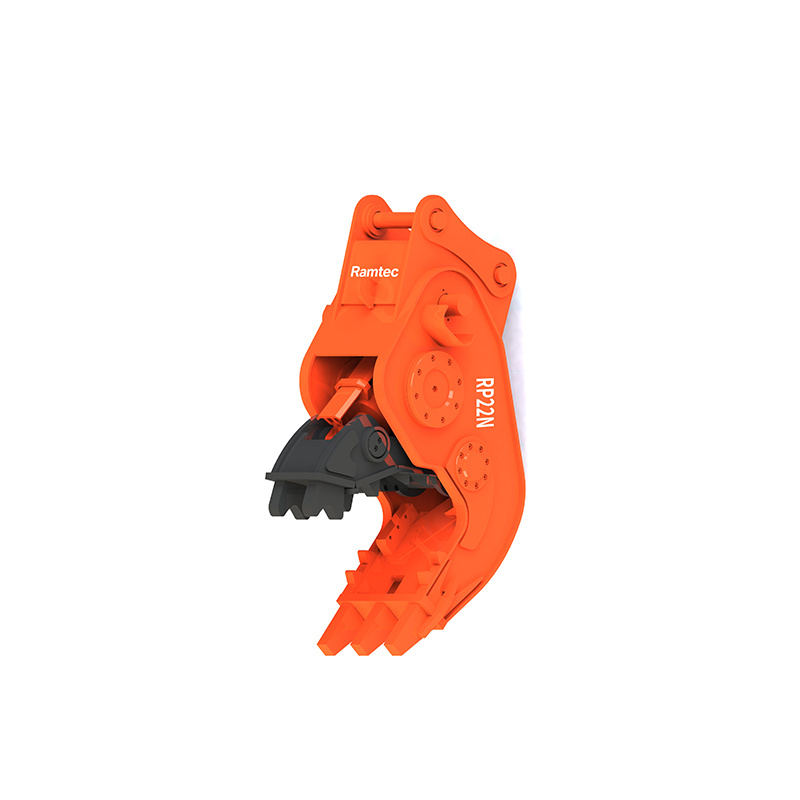
Exploring the Best Practices for Using Hydraulic Breakers on Wheel Loaders
Table of Contents
- 1. Introduction to Hydraulic Breakers
- 2. Understanding Wheel Loaders
- 3. Compatibility of Hydraulic Breakers with Wheel Loaders
- 4. Best Practices for Using Hydraulic Breakers
- 5. Common Misconceptions about Hydraulic Breakers
- 6. Case Studies: Successful Applications of Hydraulic Breakers
- 7. Frequently Asked Questions (FAQs)
- 8. Conclusion
1. Introduction to Hydraulic Breakers
Hydraulic breakers, also known as hydraulic hammers, are powerful tools that significantly enhance the capabilities of wheel loaders in construction and demolition applications. These devices utilize hydraulic force to deliver high-impact blows, making them essential for breaking concrete, rock, and other hard materials. Understanding how to effectively use hydraulic breakers can lead to improved efficiency and productivity on job sites.
2. Understanding Wheel Loaders
Wheel loaders are versatile machines commonly used in construction, agriculture, and mining. They are equipped with a front-mounted bucket for loading materials, but when paired with hydraulic breakers, they can excel in demolition and excavation tasks. Knowing the specifications and capabilities of your wheel loader is crucial for selecting the right hydraulic breaker.
3. Compatibility of Hydraulic Breakers with Wheel Loaders
Choosing the correct hydraulic breaker for your wheel loader is essential for optimal performance. Factors to consider include:
- **Weight and Size**: Ensure that the breaker’s weight is suitable for your wheel loader to avoid overloading and potential damage.
- **Flow Rate and Pressure**: The hydraulic system of the wheel loader should match the flow rate and pressure requirements of the hydraulic breaker.
- **Mounting Options**: Verify that the mounting system of the breaker is compatible with your wheel loader model for secure attachment.
4. Best Practices for Using Hydraulic Breakers
Maximizing the effectiveness of hydraulic breakers on wheel loaders involves several best practices.
4.1 Operational Techniques
- **Proper Positioning**: Position your wheel loader for optimal impact when using the hydraulic breaker. The angle of attack affects the efficiency of breaking operations.
- **Controlled Impact**: Use a steady rhythm to ensure the breaker operates within its optimal range. Avoid overexerting the breaker to prevent premature wear and tear.
- **Material Assessment**: Before breaking, assess the material type and density. This evaluation helps determine the appropriate technique and impact force.
4.2 Safety Measures
Safety should always be a priority when operating hydraulic breakers. Key measures include:
- **Personal Protective Equipment (PPE)**: Operators should wear appropriate PPE, including helmets, goggles, gloves, and ear protection.
- **Area Clearance**: Ensure that the area is clear of personnel and obstacles before commencing operations. This prevents accidents and enhances safety.
- **Regular Training**: Conduct training sessions for operators to familiarize them with the equipment and safety protocols.
4.3 Maintenance Tips
Regular maintenance of hydraulic breakers ensures longevity and reliable performance. Here are some critical maintenance tips:
- **Daily Checks**: Inspect the breaker for signs of wear, leaks, and damage before use. Address any issues immediately to prevent operational disruptions.
- **Lubrication**: Follow the manufacturer’s guidelines for lubrication to maintain optimal functionality. Regular lubrication prevents excessive friction and wear.
- **Storage**: When not in use, store the hydraulic breaker in a dry, protected environment to prevent corrosion and environmental damage.
5. Common Misconceptions about Hydraulic Breakers
There are several misconceptions related to hydraulic breakers that can lead to ineffective usage:
- **Myth: Larger Breakers Are Always Better**: Not necessarily. The size and weight of the breaker should match the wheel loader’s specifications and the task at hand.
- **Myth: More Force Equals Better Results**: Overusing force can lead to inefficiencies and potential damage. Controlled use is key.
- **Myth: Any Operator Can Use a Breaker**: Proper training is essential for safe and effective operation, regardless of the operator’s experience level.
6. Case Studies: Successful Applications of Hydraulic Breakers
Examining real-world applications of hydraulic breakers can provide valuable insights into their effectiveness:
- **Case Study 1: Urban Demolition**: A construction company utilized hydraulic breakers on wheel loaders to efficiently demolish old buildings in a tight urban space, significantly reducing the time and labor required.
- **Case Study 2: Road Construction**: In road construction, a wheel loader equipped with a hydraulic breaker was employed to break through concrete barriers, allowing for a smoother workflow and quicker project completion.
7. Frequently Asked Questions (FAQs)
What is the primary purpose of a hydraulic breaker?
The primary purpose of a hydraulic breaker is to deliver high-impact blows to break hard materials like concrete and rock, facilitating demolition and excavation tasks.
How do I choose the right hydraulic breaker for my wheel loader?
Consider factors such as the weight of the breaker, the flow rate and pressure requirements, and the compatibility of the mounting system with your wheel loader.
What safety precautions should I take when using hydraulic breakers?
Always wear personal protective equipment, ensure the work area is clear, and provide training for operators on safety protocols.
How often should I maintain my hydraulic breaker?
Routine maintenance checks should be conducted daily, with more in-depth maintenance performed according to the manufacturer's recommendations.
Can I use a hydraulic breaker for tasks other than breaking concrete?
Yes, hydraulic breakers can also be used for breaking rocks, asphalt, and other hard materials, making them versatile tools in construction and demolition.
8. Conclusion
Utilizing hydraulic breakers on wheel loaders can vastly improve operational efficiency in construction and demolition projects. By adhering to best practices, understanding equipment compatibility, and prioritizing safety and maintenance, operators can maximize productivity and extend the life of their hydraulic breakers. As the construction industry evolves, staying informed about advancements and practices will ensure your operations remain competitive and effective.
Related News
