Understanding the Impact of Hydraulic Breakers on Backhoe Loader Efficiency
Understanding the Impact of Hydraulic Breakers on Backhoe Loader Efficiency
Introduction to Hydraulic Breakers and Backhoe Loaders
Backhoe loaders are versatile machines widely used in construction, excavation, and landscaping. One of the most effective attachments for enhancing their performance is the hydraulic breaker. This powerful tool enables backhoe loaders to perform heavy-duty tasks, such as breaking concrete and rock, which significantly boosts efficiency and productivity on job sites.
In this article, we will explore the profound impact of hydraulic breakers on the efficiency of backhoe loaders. We will discuss their functionality, advantages, and how they contribute to improved operational performance.
What Are Hydraulic Breakers?
Hydraulic breakers, often referred to as hydraulic hammers, are attachments powered by hydraulic fluid. Designed to deliver high-impact energy, these tools excel at breaking hard materials, such as asphalt, concrete, and rock. With an array of sizes and designs, hydraulic breakers can be adapted to various applications, making them essential tools in the construction and demolition industries.
The Anatomy of a Hydraulic Breaker
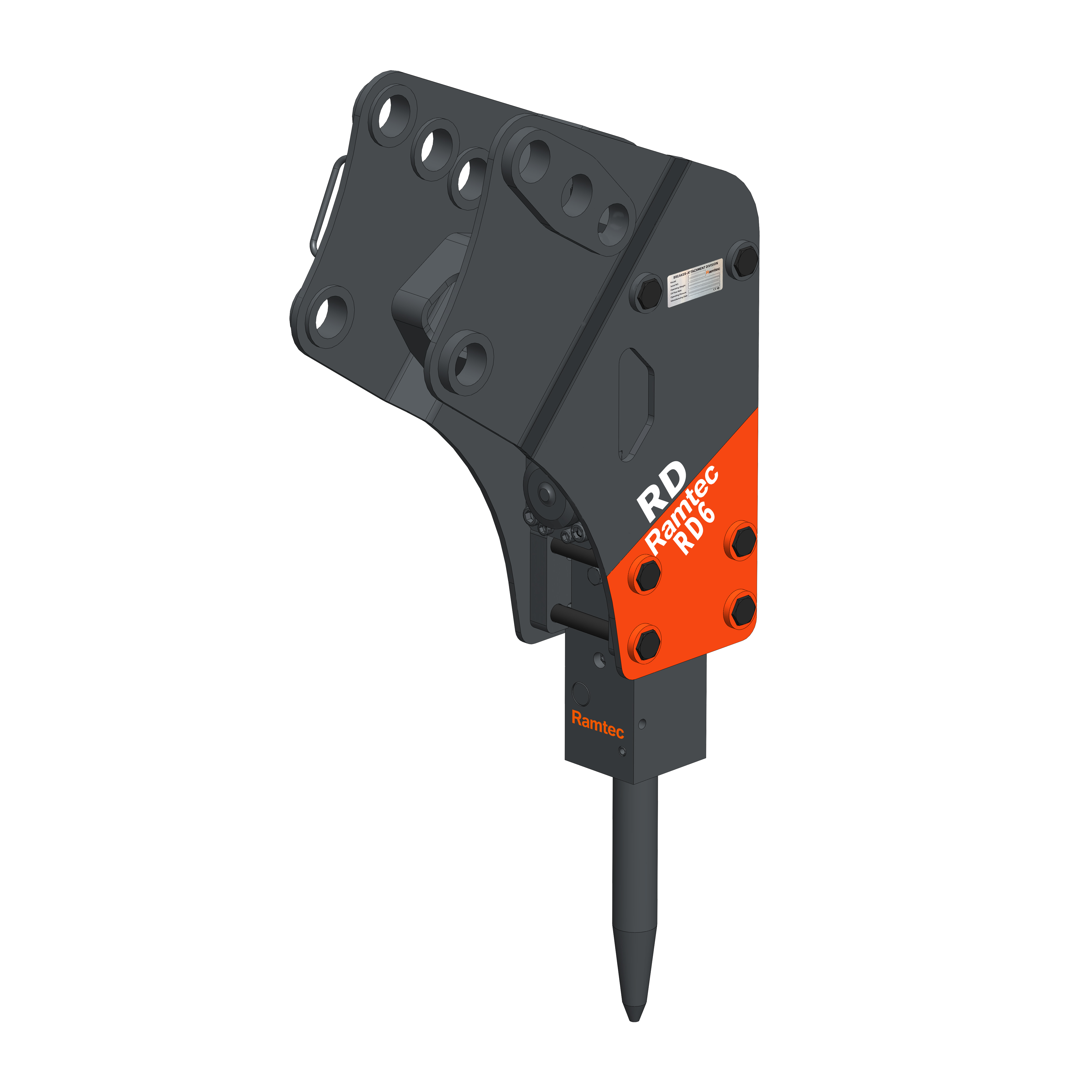
A typical hydraulic breaker consists of the following components:
- **Chisel or Tool**: The part in direct contact with the material, available in various shapes depending on the application.
- **Hydraulic Cylinder**: Converts hydraulic energy into mechanical energy to drive the piston.
- **Piston**: Provides the force necessary to break through tough materials.
- **Accumulator**: Stores hydraulic fluid to maintain pressure and optimize performance.
How Hydraulic Breakers Work
Hydraulic breakers operate by converting hydraulic energy provided by a backhoe loader's hydraulic system into mechanical energy. When the hydraulic fluid moves through the breaker, it activates the piston, which strikes the chisel at significant speed, delivering powerful blows that fracture materials with ease. This process allows for efficient breaking, even in the most challenging environments.
The Efficiency Benefits of Using Hydraulic Breakers with Backhoe Loaders
1. Enhanced Productivity
Integrating hydraulic breakers into backhoe loader operations dramatically enhances productivity. With their ability to break down hard materials quickly, operators can complete tasks faster than traditional methods, significantly reducing project timelines.
2. Versatility in Applications
Hydraulic breakers are not limited to a single type of job. They can be used in various applications, including:
- **Demolition**: Efficiently breaking down buildings and structures.
- **Excavation**: Easily removing rock and concrete obstacles.
- **Road Construction**: Preparing surfaces by breaking asphalt and concrete.
This versatility allows backhoe loaders equipped with hydraulic breakers to adapt to multiple job site requirements, maximizing their utility.
3. Reduced Equipment Wear and Tear
Using a hydraulic breaker can reduce the stress on backhoe loaders. By effectively managing the impact loads, hydraulic breakers minimize the wear on the loader's components, leading to lower maintenance costs and extended equipment life.
4. Decreased Labor Costs
The rapid pace at which hydraulic breakers operate can lead to decreased labor costs. Fewer workers may be required to complete a job, as one operator can effectively manage the backhoe loader and hydraulic breaker combination. This efficiency translates into significant savings for construction projects.
5. Improved Safety on Job Sites
Safety is paramount in construction. Hydraulic breakers enhance safety by reducing the need for manual labor in high-risk environments. Operators can remain in the cab of the backhoe loader, providing a safer working distance from hazardous materials and falling debris.
Choosing the Right Hydraulic Breaker for Your Backhoe Loader
Factors to Consider
When selecting a hydraulic breaker for your backhoe loader, consider the following factors:
- **Weight of the Breaker**: Ensure the breaker is compatible with your backhoe's hydraulic capacity and weight specifications.
- **Impact Energy**: Choose a breaker that delivers the right amount of impact energy for your specific applications.
- **Chisel Type**: Depending on your tasks, select a chisel type that suits the material you will be working with.
Top Brands and Their Hydraulic Breaker Models
Several leading manufacturers produce hydraulic breakers that are compatible with backhoe loaders:
- **Bosch Rexroth**: Known for reliability and performance.
- **Atlas Copco**: Offers a range of models designed for various applications.
- **Epiroc**: Focuses on high efficiency and durability.
- **Stanley Infrastructure**: Provides robust options for heavy-duty tasks.
Best Practices for Using Hydraulic Breakers
1. Regular Maintenance
To ensure optimal performance and longevity of hydraulic breakers, regular maintenance is essential. This includes checking hydraulic fluid levels, inspecting hoses, and ensuring all components are in good condition.
2. Operator Training
Training operators to use hydraulic breakers effectively is crucial. Understanding the proper techniques for breaking materials, as well as safety precautions, will enhance efficiency and reduce the risk of accidents.
3. Adapting Techniques to Specific Materials
Different materials require different breaking techniques. Operators should adapt their approach based on the type of material being worked on. For instance, when breaking concrete, a steady rhythm may be more effective than constant pounding.
4. Proper Attachment and Detachment
Ensuring that the hydraulic breaker is properly attached to the backhoe loader is vital. Misalignment can lead to inefficiencies and increased wear on both the breaker and the loader.
Common Challenges and Solutions
1. Hydraulic Pressure Issues
One common challenge is maintaining optimal hydraulic pressure. If pressure drops, the breaker may underperform. Regularly checking the hydraulic system and ensuring it’s free from leaks can mitigate these issues.
2. Tool Wear and Tear
Hydraulic breakers can experience tool wear from constant use. Operators should be vigilant about replacing worn chisels and tools promptly to maintain efficiency.
Conclusion
In conclusion, the integration of hydraulic breakers with backhoe loaders significantly enhances operational efficiency, productivity, and safety on construction sites. The ability to break through tough materials quickly and effectively makes hydraulic breakers invaluable tools for contractors and operators alike. By selecting the right breaker, adhering to best practices, and maintaining equipment, users can fully leverage the potential of hydraulic breakers.
Investing in this powerful combination not only saves time and costs but also ensures that construction projects are completed successfully, meeting the demands of an ever-evolving industry. As we continue to explore advancements in manufacturing and technology, the role of hydraulic breakers in enhancing backhoe loader efficiency remains a critical focus for maximizing operational success.
FAQs
1. What is the primary function of a hydraulic breaker?
The primary function of a hydraulic breaker is to deliver high-impact energy to break through tough materials such as concrete, rock, and asphalt.
2. Can hydraulic breakers be used in various industries?
Yes, hydraulic breakers are versatile tools used in construction, demolition, mining, and roadwork.
3. How do I determine the right size hydraulic breaker for my backhoe loader?
To determine the right size, consider the hydraulic capacity of your backhoe loader and the types of materials you will be working with.
4. How often should hydraulic breakers be maintained?
Regular maintenance should be conducted based on usage levels, typically every few weeks or after significant projects.
5. Are there safety concerns when using hydraulic breakers?
Yes, safety is crucial; operators should be trained and follow safety guidelines to minimize risks associated with high-impact work.
Related News