Troubleshooting Common Issues with Hydraulic Breakers on Wheel Loaders: A Comprehensive Guide
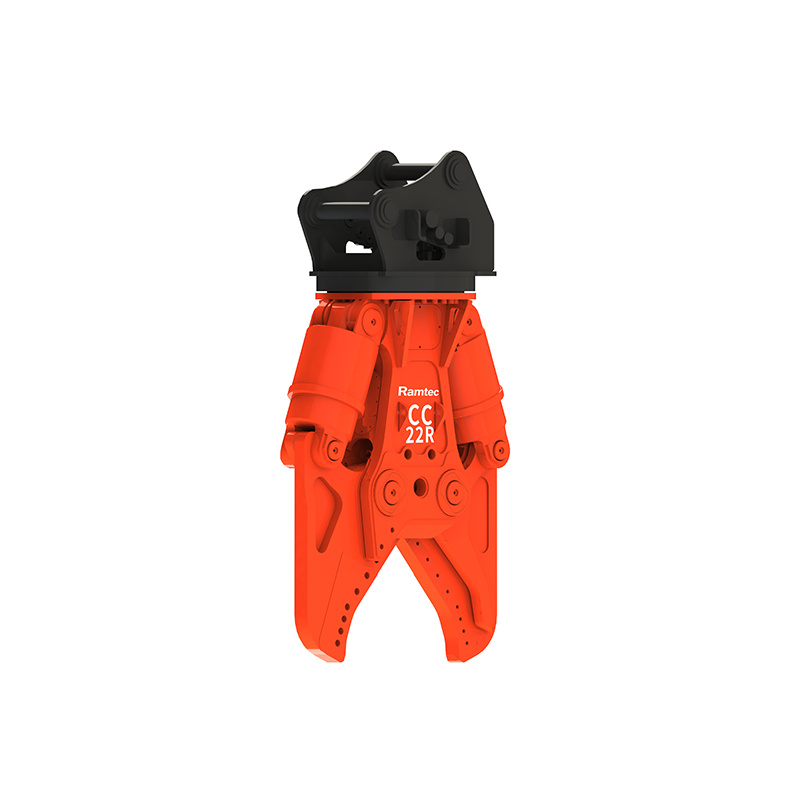
Troubleshooting Common Issues with Hydraulic Breakers on Wheel Loaders
When it comes to construction and demolition work, wheel loaders equipped with hydraulic breakers are invaluable. However, like any complex machinery, they can encounter problems that hinder their performance. Understanding how to troubleshoot these common issues can save time and money, ensuring your equipment operates at peak efficiency. This guide will cover a variety of troubleshooting techniques, common issues, and solutions relating to hydraulic breakers on wheel loaders.
Table of Contents
- Understanding Hydraulic Breakers
- Common Issues with Hydraulic Breakers
- Diagnosing Performance Issues
- Hydraulic System Troubleshooting
- Mechanical Failures: Causes and Solutions
- Preventive Maintenance Tips
- When to Contact Professionals
- Frequently Asked Questions
Understanding Hydraulic Breakers
Hydraulic breakers are powerful tools used in construction, mining, and demolition for breaking up concrete, asphalt, and other hard materials. They operate by converting hydraulic energy from the wheel loader into mechanical energy, delivering impactful blows. Understanding how these tools work is crucial for effective troubleshooting.
**Key Components of Hydraulic Breakers:**
- **Piston:** The heart of the breaker that delivers the force.
- **Chisel or Tool Steel:** The part that directly interacts with the material being broken.
- **Hydraulic System:** Provides the necessary fluid power for operation.
- **Control Valve:** Regulates the flow of hydraulic fluid to the breaker.
Each component plays a vital role in ensuring the breaker functions optimally. Any malfunction in these parts can lead to performance issues.
Common Issues with Hydraulic Breakers
Hydraulic breakers can experience a range of issues. Here are some of the most common problems encountered:
1. Poor Impact Performance
**Symptoms:** The breaker fails to deliver adequate force, resulting in ineffective operation.
**Possible Causes:**
- Insufficient hydraulic pressure
- Worn or damaged tool steel
- Blockage in the hydraulic system
2. Excessive Vibration
**Symptoms:** The operator feels excessive vibrations during operation.
**Possible Causes:**
- Misalignment of components
- Worn bushings
- Damaged seals
3. Overheating
**Symptoms:** The hydraulic system runs hot, leading to potential damage.
**Possible Causes:**
- Low hydraulic fluid levels
- Dirty hydraulic fluid
- Faulty hydraulic pump
4. Leakage
**Symptoms:** Visible hydraulic fluid leaks near the breaker or loader.
**Possible Causes:**
- Damaged hoses or fittings
- Worn seals
- Internal failure of the hydraulic cylinder
5. Noise Issues
**Symptoms:** Unusual noises during operation, such as grinding or clunking.
**Possible Causes:**
- Loose or damaged components
- Dry or worn bearings
- Hydraulic cavitation
Diagnosing Performance Issues
To effectively troubleshoot hydraulic breakers, it's important to follow a systematic approach to diagnosing performance issues.
Step 1: Visual Inspection
Begin with a thorough visual inspection of the hydraulic breaker and the wheel loader. Look for any obvious signs of wear, damage, or leaks. Check the hydraulic fluid levels and ensure that all connections are secure.
Step 2: Check Hydraulic Fluid
Ensure that the hydraulic fluid is clean and at the recommended level. Contaminants in the fluid can cause serious issues with performance. If the fluid appears dirty, consider replacing it.
Step 3: Monitor Pressure Levels
Using a pressure gauge, check the hydraulic pressure levels during operation. Insufficient pressure can point to several issues, such as a faulty pump or internal leaks.
Step 4: Listen for Anomalies
Operate the hydraulic breaker while paying attention to any unusual sounds. Noises like grinding or clunking can indicate mechanical wear or misalignment.
Hydraulic System Troubleshooting
Troubleshooting the hydraulic system is critical to resolving issues with hydraulic breakers.
Common Hydraulic System Checks
- **Check for Blockages:** Inspect hoses, filters, and other components for blockages that may restrict fluid flow.
- **Inspect Hoses and Fittings:** Look for cracks, bulges, or signs of wear in hoses and fittings. Replace any damaged components immediately.
- **Pump Functionality:** Test the hydraulic pump to ensure it's functioning correctly. If there's a drop in pressure, it may need repair or replacement.
Adjusting Pressure Settings
If pressure levels are low, adjust the pressure settings according to the manufacturer's specifications. This can often resolve performance-related issues.
Mechanical Failures: Causes and Solutions
Mechanical failures can significantly impact the effectiveness of hydraulic breakers. Understanding the potential causes can help you implement the right solutions.
Worn Tool Steel
The tool steel is subject to significant wear over time. Inspect the tool regularly for signs of wear or damage. If the tool is worn out, replace it to maintain effective breaking power.
Damaged Seals and Bushings
Seals and bushings may wear out due to friction and pressure. Regularly check these components and replace them as needed to prevent leaks and maintain operational efficiency.
Piston Issues
If the piston is malfunctioning, it can lead to poor impact performance. Inspect the piston for any signs of wear, and if necessary, replace it to ensure optimal function.
Preventive Maintenance Tips
Preventive maintenance is paramount in extending the life of hydraulic breakers and preventing issues before they occur.
Regular Inspections
Conduct regular inspections of the hydraulic breaker and its components. Look for signs of wear and address them promptly.
Hydraulic Fluid Maintenance
Change hydraulic fluid as recommended by the manufacturer. Regularly monitor fluid levels and quality to ensure optimal performance.
Proper Storage
When not in use, store the wheel loader and hydraulic breaker in a clean, dry environment. This helps prevent rust and corrosion, extending the equipment's lifespan.
When to Contact Professionals
While many issues can be resolved through troubleshooting, some problems may require professional assistance. Consider contacting a hydraulic technician if:
- You encounter persistent performance issues despite following troubleshooting steps.
- There are significant leaks or mechanical failures that require specialized knowledge.
- You lack the tools or experience to conduct repairs safely.
Frequently Asked Questions
1. How often should I perform maintenance on my hydraulic breaker?
Regular maintenance should be performed according to the manufacturer's recommendations, typically every 100 hours of operation or after significant use.
2. What type of hydraulic fluid should I use?
Always use hydraulic fluid that meets the specifications outlined in the operator's manual for your specific wheel loader and breaker.
3. Can I repair hydraulic breakers myself?
Many minor issues can be addressed with basic tools and knowledge. However, complex repairs should be performed by qualified professionals.
4. How can I tell if my hydraulic breaker is worn out?
Signs of wear may include reduced impact force, excessive vibration, and visible damage to the tool steel or piston.
5. What should I do if my hydraulic breaker is leaking?
Identify the source of the leak and inspect the affected components. Replace damaged hoses or seals immediately to avoid further issues.
Conclusion
Troubleshooting common issues with hydraulic breakers on wheel loaders requires a combination of visual inspection, systematic diagnosis, and preventive maintenance. By understanding the key components, recognizing symptoms of potential problems, and taking proactive measures, you can ensure that your hydraulic breaker operates efficiently and effectively. Regular maintenance not only extends the life of your equipment but also enhances productivity on the job site. Always remember that if you encounter major issues that you cannot resolve, seeking professional advice is the safest and most effective course of action.
Related News