Hydraulic Breakers: Unlocking the Full Potential of Your Backhoe Loader
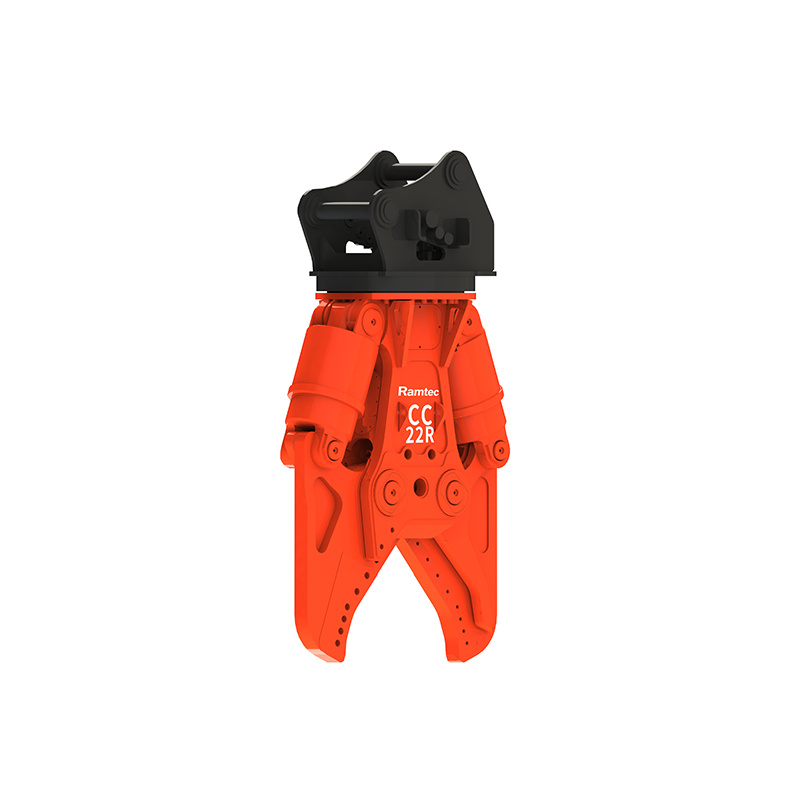
Hydraulic Breakers: Unlocking the Full Potential of Your Backhoe Loader
Table of Contents
- 1. Introduction: Understanding Hydraulic Breakers
- 2. Benefits of Using Hydraulic Breakers with Backhoe Loaders
- 3. Types of Hydraulic Breakers
- 4. Applications of Hydraulic Breakers
- 5. Installing a Hydraulic Breaker on Your Backhoe Loader
- 6. Maintenance Tips for Hydraulic Breakers
- 7. Best Practices for Using Hydraulic Breakers
- 8. Conclusion
- 9. FAQs
1. Introduction: Understanding Hydraulic Breakers
Hydraulic breakers are powerful attachments designed to enhance the functionality of heavy equipment like backhoe loaders. These tools are engineered to deliver high-impact force for breaking, demolishing, and dismantling materials such as concrete, asphalt, and rock. By integrating a hydraulic breaker with a backhoe loader, operators can significantly expand their operational capabilities, making it an indispensable asset in construction, demolition, and site preparation.
2. Benefits of Using Hydraulic Breakers with Backhoe Loaders
The combination of hydraulic breakers and backhoe loaders offers numerous advantages:
2.1 Increased Efficiency
Hydraulic breakers allow operators to complete tasks much faster than traditional methods. The high-impact energy produced by these breakers can shatter materials swiftly, reducing the time needed for demolition.
2.2 Versatility
By attaching a hydraulic breaker, your backhoe loader becomes a multi-functional machine capable of handling various tasks, from breaking pavement to trenching. This versatility ensures that your equipment is well-utilized across multiple projects.
2.3 Cost-Effective Solutions
Investing in a hydraulic breaker for your backhoe loader eliminates the need for multiple machines on-site. This leads to reduced equipment rental costs, lower maintenance expenses, and streamlined operations.
2.4 Safety Enhancements
Hydraulic breakers, when used properly, minimize the risk of accidents associated with manual demolition methods. Operators can maintain a safe distance from the impact zone, thereby enhancing site safety.
3. Types of Hydraulic Breakers
Understanding the different types of hydraulic breakers can help you choose the right one for your backhoe loader.
3.1 Pneumatic Hydraulic Breakers
Pneumatic hydraulic breakers utilize compressed air to generate impact force. They are lightweight and typically used in smaller applications, such as breaking up concrete in confined spaces.
3.2 Electric Hydraulic Breakers
Electric hydraulic breakers are powered by electricity, making them an eco-friendly option. They produce less noise compared to their pneumatic and diesel counterparts, making them ideal for urban environments.
3.3 Diesel Hydraulic Breakers
Diesel hydraulic breakers are known for their power and efficiency. They are commonly used in heavy-duty applications, such as large-scale demolition and excavation projects.
4. Applications of Hydraulic Breakers
Hydraulic breakers are highly versatile and can be utilized in a variety of applications:
4.1 Demolition
Whether it's breaking down entire structures or removing concrete slabs, hydraulic breakers are highly effective for demolition tasks.
4.2 Road Construction
In road construction, hydraulic breakers are essential for breaking asphalt, removing old pavement, and preparing surfaces for new layers.
4.3 Mining Operations
In mining, hydraulic breakers help fragment rock and ore, making it easier to extract valuable materials.
4.4 Landscaping
For landscaping projects, hydraulic breakers can be used to remove stubborn tree roots and prepare ground for planting.
5. Installing a Hydraulic Breaker on Your Backhoe Loader
Installing a hydraulic breaker requires careful consideration to ensure optimal performance:
5.1 Choosing the Right Breaker
Select a hydraulic breaker that is compatible with the specifications of your backhoe loader, including weight and hydraulic flow rate.
5.2 Installation Process
1. **Preparation**: Ensure that the backhoe loader is parked on a flat surface.
2. **Attach the Breaker**: Use the mounting bracket to securely attach the hydraulic breaker to the loader's arm.
3. **Connect Hydraulic Lines**: Connect the hydraulic hoses to the breaker, ensuring there are no leaks.
4. **Test Functionality**: Before full operation, test the hydraulic breaker to verify that it functions correctly.
6. Maintenance Tips for Hydraulic Breakers
Regular maintenance is crucial for prolonging the lifespan of your hydraulic breaker:
6.1 Daily Inspections
Check for any signs of wear and tear, including cracks or leaks. Ensure that all hydraulic connections are secure.
6.2 Regular Lubrication
Keep the breaker lubricated as per the manufacturer's recommendations to ensure smooth operation.
6.3 Hydraulic Fluid Replacement
Change hydraulic fluid at regular intervals to maintain peak performance and prevent damage.
7. Best Practices for Using Hydraulic Breakers
To maximize the effectiveness of hydraulic breakers, follow these best practices:
7.1 Operator Training
Ensure that operators are trained in the safe and efficient use of hydraulic breakers to minimize accidents and equipment damage.
7.2 Proper Technique
Use a steady and controlled approach when operating the breaker. Avoid excessive force, which can lead to equipment failure.
7.3 Regular Breaks
Allow the hydraulic breaker to cool down during prolonged use to prevent overheating and prolong its life.
8. Conclusion
Hydraulic breakers have revolutionized the way backhoe loaders are utilized in various construction and demolition applications. By enhancing the versatility of your equipment, these powerful tools not only improve efficiency but also contribute to safer work environments. Investing in a high-quality hydraulic breaker can significantly increase productivity and reduce operational costs, making it an invaluable addition to your machinery fleet.
9. FAQs
9.1 What is a hydraulic breaker used for?
A hydraulic breaker is used for breaking concrete, asphalt, and rock, making it ideal for demolition and construction tasks.
9.2 Can any backhoe loader use a hydraulic breaker?
Not all backhoe loaders are compatible with hydraulic breakers. Ensure that your equipment meets the specifications required for the chosen breaker.
9.3 How do I maintain a hydraulic breaker?
Regular maintenance includes daily inspections, lubricating moving parts, and changing hydraulic fluid as needed.
9.4 What are the different types of hydraulic breakers?
The main types of hydraulic breakers include pneumatic, electric, and diesel breakers, each suited for different applications.
9.5 Are hydraulic breakers safe to use?
When operated by trained personnel and maintained properly, hydraulic breakers are generally safe. Always follow safety guidelines to minimize risks.
In summary, integrating a hydraulic breaker with your backhoe loader not only enhances functionality but also transforms your machinery into a powerhouse capable of tackling a wide range of tasks efficiently and safely.
Related News