Maximizing Efficiency with Hydraulic Breakers for Backhoe Loaders
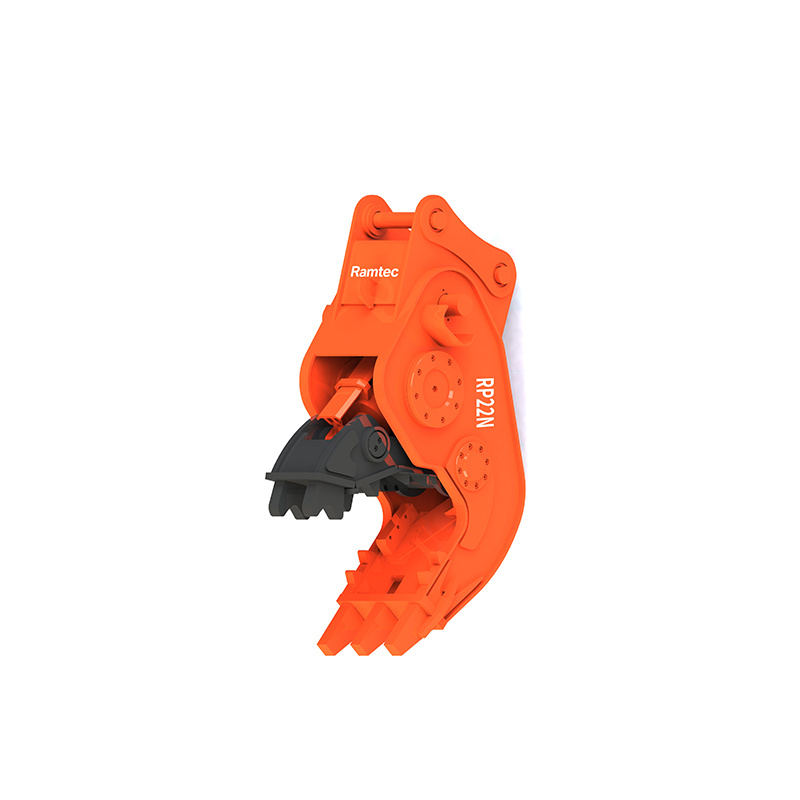
Hydraulic breakers are essential attachments for backhoe loaders, designed to enhance their versatility in various construction and demolition tasks. These powerful tools utilize hydraulic energy to break through concrete, rock, and other tough materials efficiently. Understanding how to leverage hydraulic breakers effectively can dramatically increase productivity on job sites.
One of the primary advantages of using hydraulic breakers with backhoe loaders is their ability to deliver high-impact force while maintaining precision. This is crucial in applications such as road construction, demolition of buildings, and excavation projects. The hydraulic breaker works by using hydraulic fluid to power a piston that strikes the material, effectively breaking it apart. This process is particularly effective in situations where traditional methods may be too slow or would cause excessive damage to surrounding structures.
When selecting a hydraulic breaker for a backhoe loader, several factors should be considered to ensure optimal performance and durability. The size of the hydraulic breaker must match the specifications of the backhoe loader. It is essential to check the flow rate and pressure of the hydraulic system to ensure compatibility and effectiveness. Additionally, understanding the intended application will help in choosing the right breaker size and type, as different models are designed for various materials and impact requirements.
To maximize the efficiency of a hydraulic breaker, operators should be trained in its proper use. Implementing best practices can enhance both safety and effectiveness. For instance, it's important to maintain a steady, even pace when using the breaker. Rapid or erratic movements can lead to reduced effectiveness and increased wear on the equipment. Also, operators should be aware of the position of the backhoe loader and the material being broken to ensure the best angle of attack. This attention to detail can significantly improve the breaker's performance.
Maintenance is another critical aspect of using hydraulic breakers. Regular inspections and servicing can prevent breakdowns and prolong the life of the equipment. Checking for hydraulic leaks, ensuring that the chisels or tools are properly sharpened, and monitoring the overall condition of the machine are vital steps in maintaining efficiency.
In conclusion, integrating a hydraulic breaker with a backhoe loader can transform how projects are approached in construction and demolition. By understanding the tool's functionality, ensuring compatibility, training operators, and maintaining the equipment, users can fully capitalize on the advantages of hydraulic breakers. This combination not only streamlines operations but also leads to cost savings and improved project timelines.
One of the primary advantages of using hydraulic breakers with backhoe loaders is their ability to deliver high-impact force while maintaining precision. This is crucial in applications such as road construction, demolition of buildings, and excavation projects. The hydraulic breaker works by using hydraulic fluid to power a piston that strikes the material, effectively breaking it apart. This process is particularly effective in situations where traditional methods may be too slow or would cause excessive damage to surrounding structures.
When selecting a hydraulic breaker for a backhoe loader, several factors should be considered to ensure optimal performance and durability. The size of the hydraulic breaker must match the specifications of the backhoe loader. It is essential to check the flow rate and pressure of the hydraulic system to ensure compatibility and effectiveness. Additionally, understanding the intended application will help in choosing the right breaker size and type, as different models are designed for various materials and impact requirements.
To maximize the efficiency of a hydraulic breaker, operators should be trained in its proper use. Implementing best practices can enhance both safety and effectiveness. For instance, it's important to maintain a steady, even pace when using the breaker. Rapid or erratic movements can lead to reduced effectiveness and increased wear on the equipment. Also, operators should be aware of the position of the backhoe loader and the material being broken to ensure the best angle of attack. This attention to detail can significantly improve the breaker's performance.
Maintenance is another critical aspect of using hydraulic breakers. Regular inspections and servicing can prevent breakdowns and prolong the life of the equipment. Checking for hydraulic leaks, ensuring that the chisels or tools are properly sharpened, and monitoring the overall condition of the machine are vital steps in maintaining efficiency.
In conclusion, integrating a hydraulic breaker with a backhoe loader can transform how projects are approached in construction and demolition. By understanding the tool's functionality, ensuring compatibility, training operators, and maintaining the equipment, users can fully capitalize on the advantages of hydraulic breakers. This combination not only streamlines operations but also leads to cost savings and improved project timelines.
Related News