Top Features to Look for in a Hydraulic Breaker for Backhoe Loaders
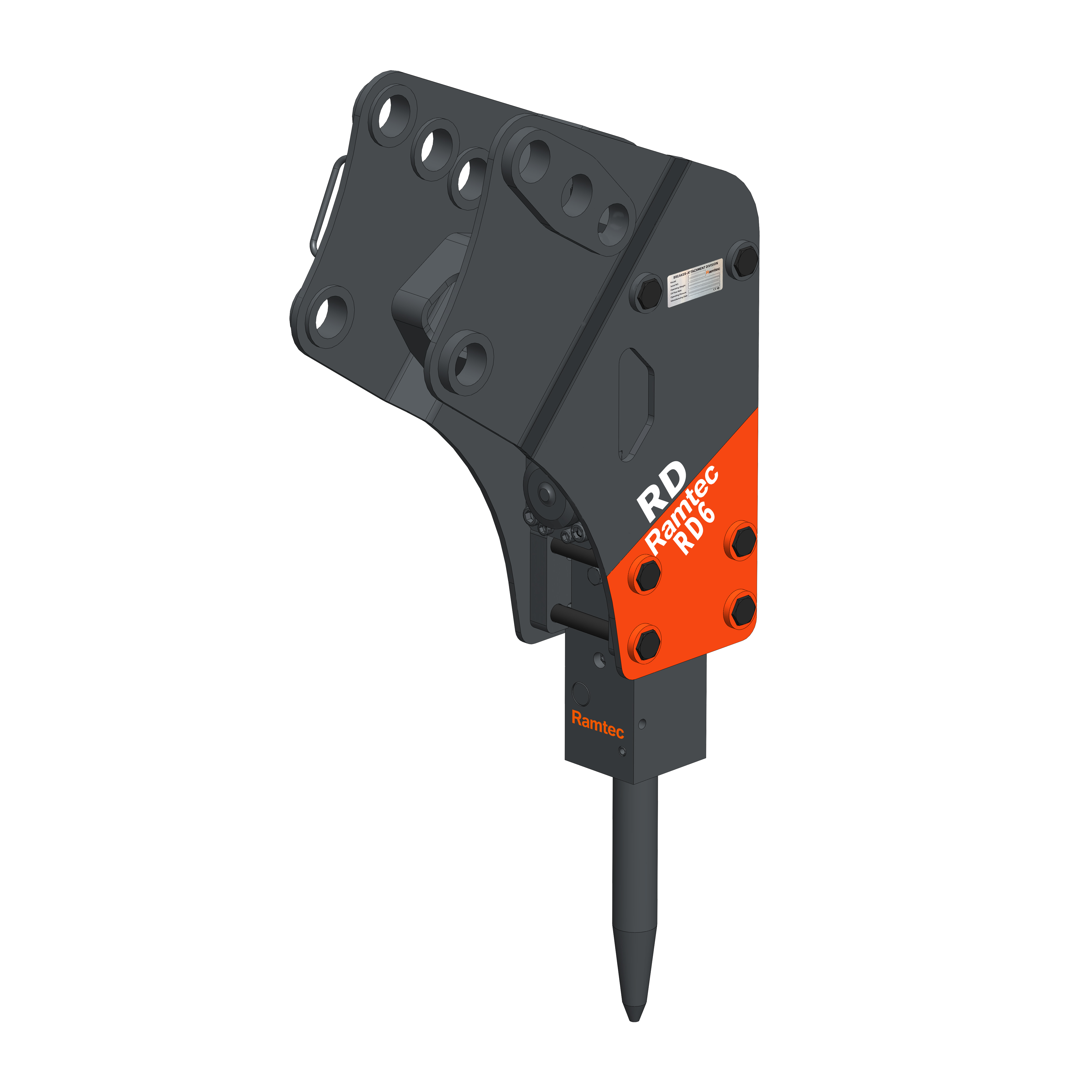
Top Features to Look for in a Hydraulic Breaker for Backhoe Loaders
Introduction to Hydraulic Breakers
Hydraulic breakers are critical tools in construction and demolition, enabling operators to perform heavy-duty tasks efficiently. When paired with backhoe loaders, these breakers enhance productivity through their powerful impact and versatility. Understanding the features that define a quality hydraulic breaker is essential for maximizing performance and ensuring long-term reliability.
Why Choose a Hydraulic Breaker for Your Backhoe Loader?
Hydraulic breakers offer several advantages, including their ability to break through hard materials like concrete and asphalt with ease. Their design allows for efficient energy transfer, making them ideal for various applications. When selecting a hydraulic breaker, consider the following features to ensure you choose a tool that meets your specific needs.
1. Impact Energy and Frequency
The **impact energy** and **frequency** of a hydraulic breaker significantly influence its performance. Impact energy, measured in joules, determines how much force is delivered with each strike. A higher impact energy means the breaker can handle tougher materials effectively. Conversely, the frequency of strikes affects the overall speed of work. When choosing a breaker, look for a balance between these two factors for optimal performance.
2. Weight and Size Compatibility
Compatibility between the hydraulic breaker and the backhoe loader is crucial. The weight of the breaker should match the loader's lifting capacity to ensure safe operation. Typically, breakers come in various sizes, and selecting one that complements your backhoe's specifications will enhance maneuverability and efficiency on the job site.
2.1 Consideration of Backhoe Specifications
Always refer to your backhoe's service manual for recommended hydraulic breaker specifications. This ensures that the breaker you select is not just compatible but also enhances the backhoe's operational capabilities.
3. Durability and Build Quality
A hydraulic breaker is an investment, and its durability is vital for long-term use. Look for breakers made from high-quality materials, such as forged steel, which can withstand harsh working conditions. Additionally, features like reinforced housing and robust seals contribute to a breaker's lifespan, reducing the need for frequent repairs or replacements.
4. Ease of Maintenance
Maintenance plays a significant role in the performance of hydraulic breakers. When evaluating options, consider how easy it is to service the breaker. Features such as **replaceable chisels** and **simple access points for lubrication** can save you time and money. Regular maintenance not only extends the life of the breaker but also ensures consistent performance.
4.1 Maintenance Tips for Hydraulic Breakers
- Regularly inspect the breaker for signs of wear.
- Keep the hydraulic system clean and well-lubricated.
- Replace worn chisels promptly to maintain effectiveness.
5. Versatility and Attachments
A versatile hydraulic breaker can adapt to various tasks, making it a valuable asset for any contractor. Look for models that offer interchangeable attachments, such as different chisel shapes for specific applications. This flexibility allows operators to switch between tasks quickly, enhancing productivity on the job site.
6. Noise and Vibration Levels
Noise and vibration are important considerations, especially for urban construction projects. A hydraulic breaker with lower noise and vibration levels ensures compliance with local regulations and creates a more comfortable working environment. Some manufacturers incorporate sound-dampening technologies to minimize these issues, making their breakers a preferred choice for sensitive areas.
6.1 Choosing the Right Breaker for Urban Areas
For projects in populated areas, opt for hydraulic breakers designed specifically to reduce noise and vibration, which can help maintain good community relations while ensuring compliance with local noise ordinances.
7. Hydraulic Flow and Pressure Requirements
Understanding the hydraulic flow and pressure requirements of your backhoe loader is essential when selecting a breaker. Each hydraulic breaker has specific flow and pressure ratings that must be matched with your loader's capabilities. A mismatch can lead to reduced performance or even damage to the equipment.
8. Safety Features
Safety should always be a priority when operating heavy machinery. Look for hydraulic breakers that offer built-in safety features, such as:
- **Automatic shut-off** mechanisms to prevent overheating.
- **Pressure relief valves** to manage hydraulic pressure effectively.
- **Operator protection systems** that enhance safety while in use.
Conclusion
In summary, selecting the right hydraulic breaker for your backhoe loader involves careful consideration of various features, including impact energy, weight, durability, and safety. By prioritizing these aspects, you will ensure that you invest in a tool that not only meets your specific needs but also enhances productivity and longevity on the job site. Always conduct thorough research and consult with experts to make an informed choice that will serve you well in your construction endeavors.
FAQs about Hydraulic Breakers for Backhoe Loaders
1. What is the average lifespan of a hydraulic breaker?
The lifespan of a hydraulic breaker can vary widely based on usage, maintenance, and the quality of the product. A well-maintained breaker can last several years, often up to 10,000 operational hours.
2. How do I know if my hydraulic breaker is compatible with my backhoe loader?
Consult your backhoe's service manual for specifications, and ensure that the breaker’s weight and hydraulic flow requirements match those of your loader.
3. Can I use a hydraulic breaker for different types of materials?
Yes, hydraulic breakers can be used on various materials, including concrete, rock, and asphalt. Choosing the right attachment will enhance effectiveness for different tasks.
4. What are the signs that my hydraulic breaker needs maintenance?
Common signs include decreased performance, unusual noises, overheating, and visible wear on the chisel or housing. Regular inspections can help identify these issues early.
5. Is it possible to rent a hydraulic breaker instead of buying one?
Yes, many equipment rental companies offer hydraulic breakers for rent. This can be a cost-effective solution for short-term projects or occasional use.
By focusing on these critical features and considerations, you will be well-equipped to select a hydraulic breaker that enhances your backhoe loader's capabilities and meets your operational demands.
Related News