Understanding Hydraulic Breakers for Wheel Loaders: Enhancing Construction Efficiency
---
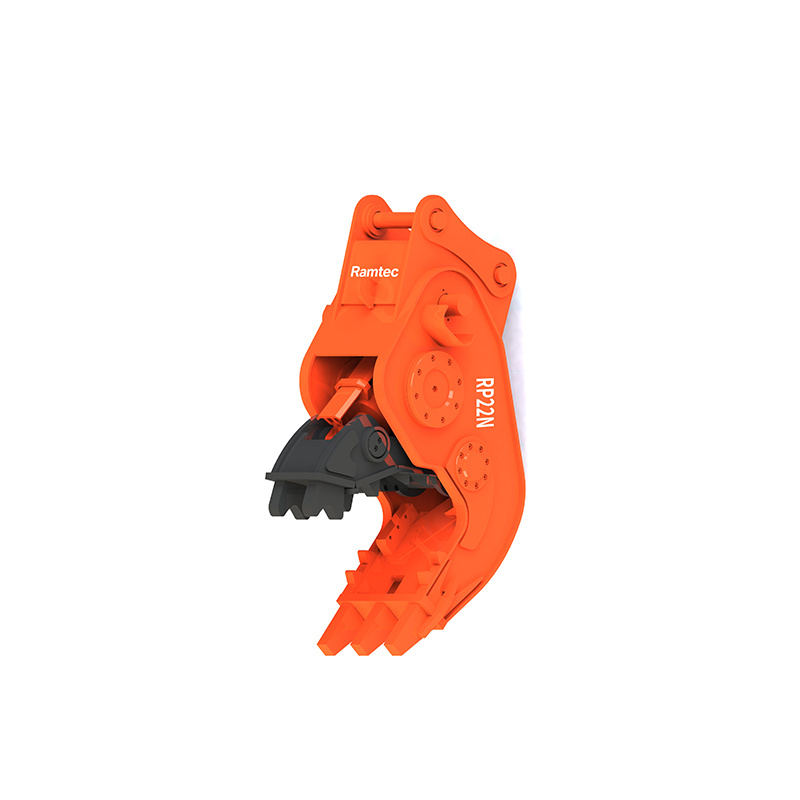
Hydraulic breakers are essential attachments for wheel loaders, designed to enhance the versatility and capability of these machines in various construction and demolition applications. These robust tools enable operators to efficiently break down concrete, asphalt, and other hard materials, making them invaluable in projects ranging from road maintenance to large-scale demolition.
The primary function of a hydraulic breaker is to use hydraulic pressure to deliver powerful impacts to the material being worked on. This mechanism allows for precise control over the force applied, ensuring that the work is completed effectively without damaging the surrounding areas. Hydraulic breakers are typically mounted on the front of the wheel loader, allowing for easy maneuverability and accessibility to hard-to-reach locations on construction sites.
One of the significant advantages of utilizing hydraulic breakers with wheel loaders is their ability to enhance productivity. Traditional breaking methods, such as manual chiseling or pneumatic tools, can be labor-intensive and time-consuming. In contrast, hydraulic breakers can accomplish the same tasks in a fraction of the time, allowing operators to complete projects more rapidly and efficiently. This increased efficiency translates to reduced labor costs and improved project timelines, making it an attractive option for construction firms.
Moreover, hydraulic breakers are designed for durability and longevity. Constructed from high-quality materials, these tools are built to withstand the rigors of heavy-duty use. Regular maintenance, such as lubrication and inspection for wear, can further extend the lifespan of the breaker, ensuring that it continues to perform at optimal levels.
In addition to breaking concrete and asphalt, hydraulic breakers can also be utilized for various other applications, including trenching, landscaping, and removing old structures. Their versatility makes them a valuable asset for contractors looking to expand their service offerings. Operators can switch between attachments quickly, depending on the demands of the job, thus maximizing the use of a single piece of machinery.
When considering the integration of a hydraulic breaker with a wheel loader, it is essential to evaluate the machine's specifications and the breaker’s compatibility. Factors such as hydraulic flow rate, weight, and mounting options should be carefully assessed to ensure optimal performance and safety.
In summary, hydraulic breakers for wheel loaders are powerful tools that significantly enhance operational efficiency in the construction and demolition sectors. Their ability to deliver impactful performance, coupled with durability and versatility, makes them a prudent investment for professionals aiming to improve productivity and project outcomes. Understanding the intricacies of these breakers helps operators make informed decisions, ultimately leading to more successful projects in the field.
Hydraulic breakers are essential attachments for wheel loaders, designed to enhance the versatility and capability of these machines in various construction and demolition applications. These robust tools enable operators to efficiently break down concrete, asphalt, and other hard materials, making them invaluable in projects ranging from road maintenance to large-scale demolition.
The primary function of a hydraulic breaker is to use hydraulic pressure to deliver powerful impacts to the material being worked on. This mechanism allows for precise control over the force applied, ensuring that the work is completed effectively without damaging the surrounding areas. Hydraulic breakers are typically mounted on the front of the wheel loader, allowing for easy maneuverability and accessibility to hard-to-reach locations on construction sites.
One of the significant advantages of utilizing hydraulic breakers with wheel loaders is their ability to enhance productivity. Traditional breaking methods, such as manual chiseling or pneumatic tools, can be labor-intensive and time-consuming. In contrast, hydraulic breakers can accomplish the same tasks in a fraction of the time, allowing operators to complete projects more rapidly and efficiently. This increased efficiency translates to reduced labor costs and improved project timelines, making it an attractive option for construction firms.
Moreover, hydraulic breakers are designed for durability and longevity. Constructed from high-quality materials, these tools are built to withstand the rigors of heavy-duty use. Regular maintenance, such as lubrication and inspection for wear, can further extend the lifespan of the breaker, ensuring that it continues to perform at optimal levels.
In addition to breaking concrete and asphalt, hydraulic breakers can also be utilized for various other applications, including trenching, landscaping, and removing old structures. Their versatility makes them a valuable asset for contractors looking to expand their service offerings. Operators can switch between attachments quickly, depending on the demands of the job, thus maximizing the use of a single piece of machinery.
When considering the integration of a hydraulic breaker with a wheel loader, it is essential to evaluate the machine's specifications and the breaker’s compatibility. Factors such as hydraulic flow rate, weight, and mounting options should be carefully assessed to ensure optimal performance and safety.
In summary, hydraulic breakers for wheel loaders are powerful tools that significantly enhance operational efficiency in the construction and demolition sectors. Their ability to deliver impactful performance, coupled with durability and versatility, makes them a prudent investment for professionals aiming to improve productivity and project outcomes. Understanding the intricacies of these breakers helps operators make informed decisions, ultimately leading to more successful projects in the field.
Related News