The Essential Guide to Hydraulic Breakers for Backhoe Loaders
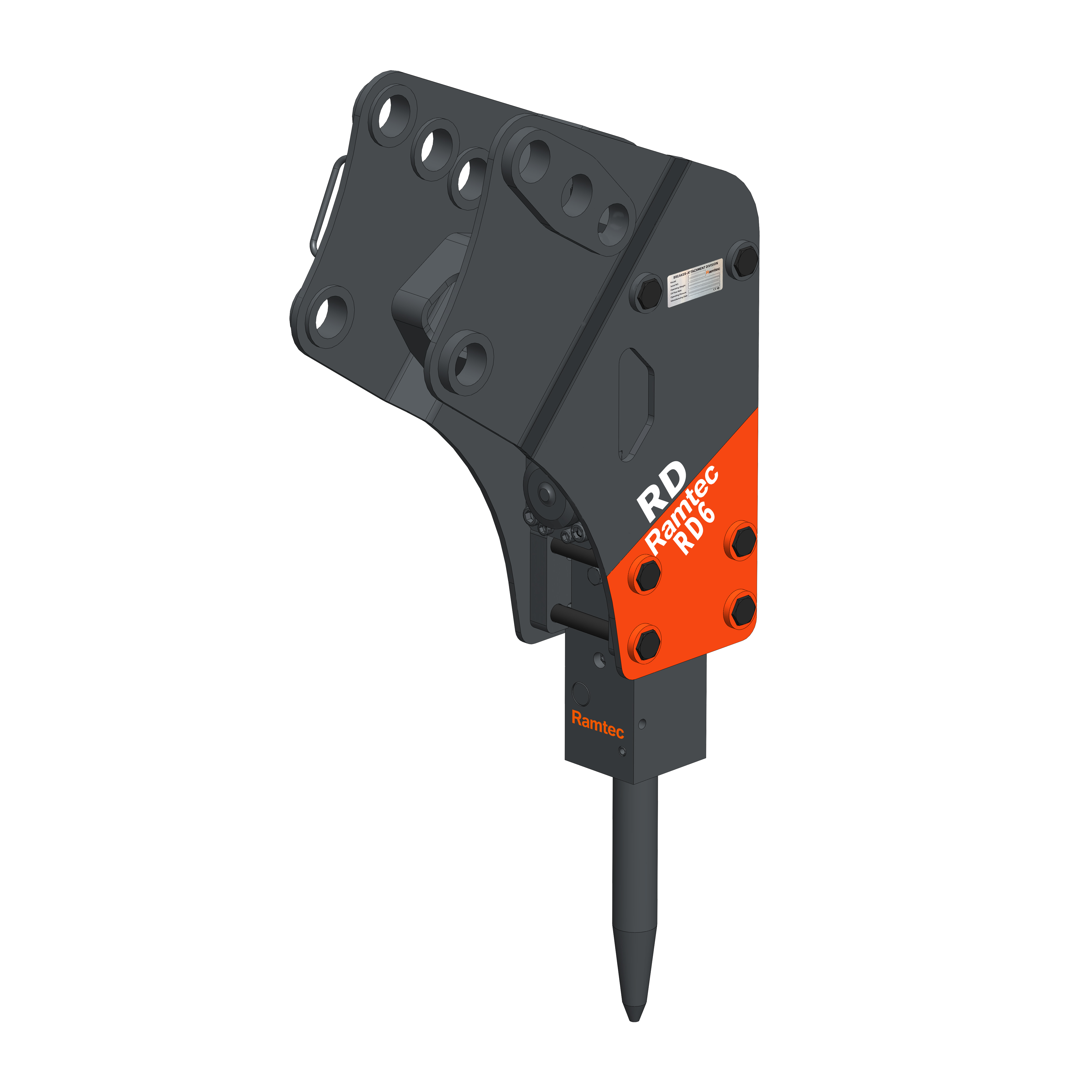
Hydraulic breakers for backhoe loaders have become indispensable tools in the construction and demolition industries, significantly enhancing the capabilities of these versatile machines. As integral attachments, hydraulic breakers enable backhoe loaders to perform a variety of tasks that involve breaking and dismantling hard materials, such as concrete, asphalt, and rock. Understanding how these hydraulic breakers operate and their advantages can help professionals make informed decisions regarding equipment selection and application.
At their core, hydraulic breakers utilize hydraulic power to deliver high-impact energy to a specific point of contact. This energy is generated by the hydraulic system of the backhoe loader, which drives a piston within the breaker. As the piston strikes the material, it creates a powerful force, allowing for efficient breaking without the need for traditional methods like chiseling or jackhammering. This mechanism not only speeds up the demolition process but also minimizes noise and vibration, making it a more environmentally friendly option.
One of the primary benefits of incorporating hydraulic breakers into backhoe loaders is their versatility. These attachments can be utilized in a wide array of applications, ranging from breaking concrete in road construction to demolishing old structures or even removing rock for foundation work. Their adaptability makes them suitable for various projects, whether large-scale construction or smaller renovation tasks. Additionally, hydraulic breakers offer improved precision, allowing operators to target specific areas without damaging adjacent structures or materials.
Moreover, using hydraulic breakers can lead to significant cost savings in the long run. By reducing the time required for demolition and material removal, projects can stay on schedule, minimizing labor costs. The efficiency of hydraulic breakers also reduces the wear and tear on the backhoe loader itself, extending the life of both the attachment and the machine, resulting in lower maintenance and replacement costs.
Furthermore, the advancements in hydraulic breaker technology have led to the development of models that are lighter and more compact without sacrificing power. These innovations allow for easier handling and improved performance, making them suitable for a wider range of backhoe loaders. Many modern hydraulic breakers also feature adjustable energy settings, enabling operators to customize their impact force based on the material being broken, thereby enhancing efficiency.
In conclusion, hydraulic breakers for backhoe loaders represent a significant advancement in demolition and material handling technology. Their efficient, powerful, and versatile capabilities allow operators to tackle various tasks with ease. Understanding the functionality and advantages of these hydraulic breakers can greatly enhance project outcomes and contribute to a more efficient workflow in construction and demolition applications.
At their core, hydraulic breakers utilize hydraulic power to deliver high-impact energy to a specific point of contact. This energy is generated by the hydraulic system of the backhoe loader, which drives a piston within the breaker. As the piston strikes the material, it creates a powerful force, allowing for efficient breaking without the need for traditional methods like chiseling or jackhammering. This mechanism not only speeds up the demolition process but also minimizes noise and vibration, making it a more environmentally friendly option.
One of the primary benefits of incorporating hydraulic breakers into backhoe loaders is their versatility. These attachments can be utilized in a wide array of applications, ranging from breaking concrete in road construction to demolishing old structures or even removing rock for foundation work. Their adaptability makes them suitable for various projects, whether large-scale construction or smaller renovation tasks. Additionally, hydraulic breakers offer improved precision, allowing operators to target specific areas without damaging adjacent structures or materials.
Moreover, using hydraulic breakers can lead to significant cost savings in the long run. By reducing the time required for demolition and material removal, projects can stay on schedule, minimizing labor costs. The efficiency of hydraulic breakers also reduces the wear and tear on the backhoe loader itself, extending the life of both the attachment and the machine, resulting in lower maintenance and replacement costs.
Furthermore, the advancements in hydraulic breaker technology have led to the development of models that are lighter and more compact without sacrificing power. These innovations allow for easier handling and improved performance, making them suitable for a wider range of backhoe loaders. Many modern hydraulic breakers also feature adjustable energy settings, enabling operators to customize their impact force based on the material being broken, thereby enhancing efficiency.
In conclusion, hydraulic breakers for backhoe loaders represent a significant advancement in demolition and material handling technology. Their efficient, powerful, and versatile capabilities allow operators to tackle various tasks with ease. Understanding the functionality and advantages of these hydraulic breakers can greatly enhance project outcomes and contribute to a more efficient workflow in construction and demolition applications.
Related News