Maximize Your Skid Steer Loader's Efficiency with a Hydraulic Breaker
Maximize Your Skid Steer Loader's Efficiency with a Hydraulic Breaker
Table of Contents
- Understanding Hydraulic Breakers
- Benefits of Using a Hydraulic Breaker with Skid Steer Loaders
- How Hydraulic Breakers Work
- Choosing the Right Hydraulic Breaker Attachment
- Installation and Setup of Hydraulic Breakers
- Operating Tips for Maximum Efficiency
- Maintenance and Care for Hydraulic Breakers
- Frequently Asked Questions
- Conclusion
Understanding Hydraulic Breakers
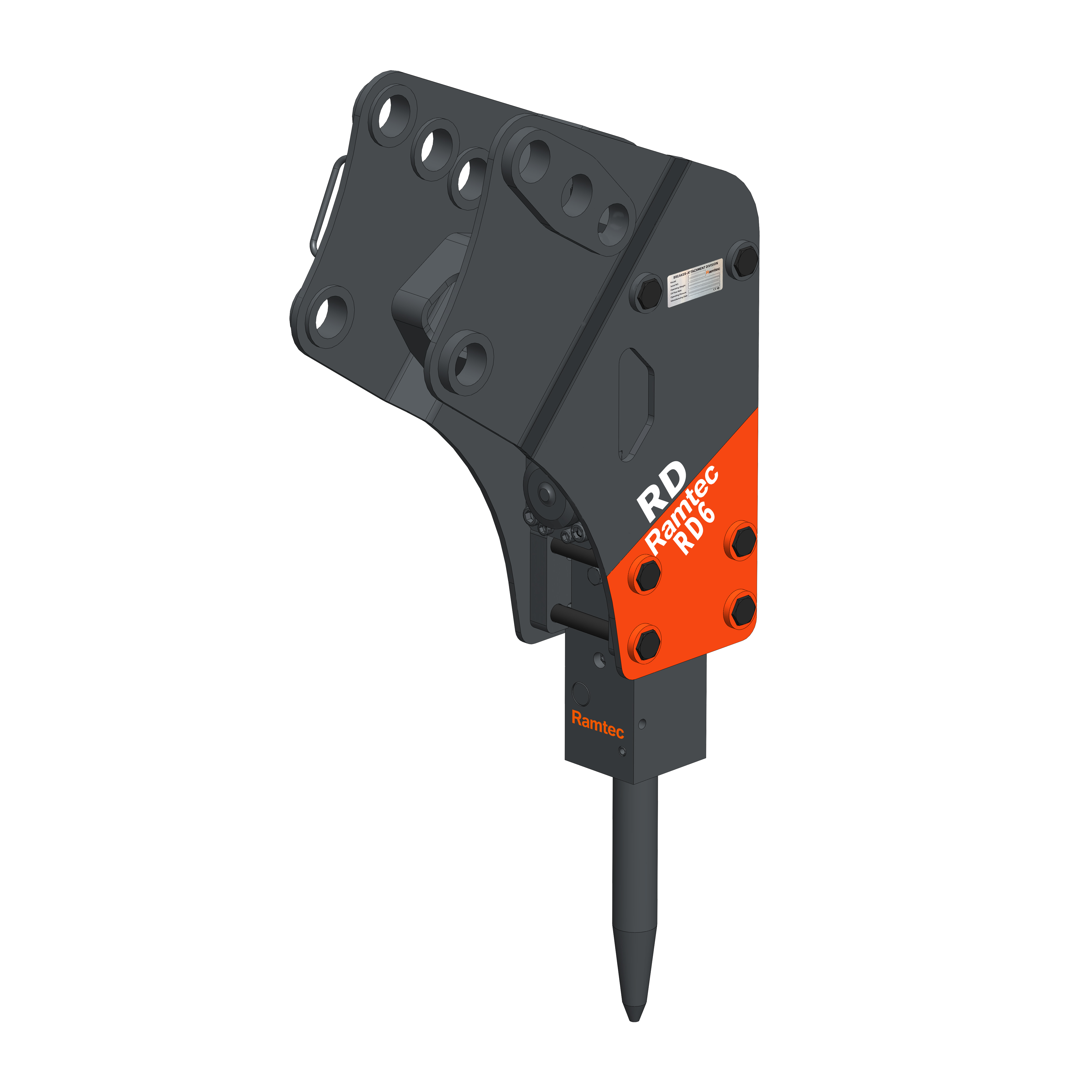
A hydraulic breaker is a powerful demolition tool that utilizes hydraulic force to break, crush, or demolish concrete, rock, and other tough materials. Designed specifically to attach to various types of machinery, including skid steer loaders, these tools enhance operational capabilities in construction, roadwork, and demolition projects. Understanding how they work and their advantages is crucial for maximizing efficiency.
Benefits of Using a Hydraulic Breaker with Skid Steer Loaders
Improved Productivity
The integration of a hydraulic breaker with a skid steer loader significantly enhances productivity. Projects that may have taken days to complete can often be finished in a matter of hours. The speed at which hydraulic breakers operate allows for more efficient material handling, reducing downtime and enhancing job site efficiency.
Enhanced Versatility
Hydraulic breakers can be used in various applications, from breaking up asphalt and concrete to demolishing structural elements. This versatility enables contractors to tackle multiple tasks without needing to switch equipment, leading to streamlined operations and reduced costs.
Reduced Labor Costs
By increasing the efficiency of demolition and excavation tasks, hydraulic breakers contribute to lower labor costs. With faster job completion times, fewer workers are needed on-site, allowing for better allocation of resources and reduced labor expenses.
Improved Safety
Using a hydraulic breaker reduces the need for manual labor in potentially dangerous demolition tasks. By allowing machinery to handle heavy lifting and breaking, the risk of injury to workers is diminished, promoting a safer work environment.
How Hydraulic Breakers Work
Hydraulic breakers operate on the principle of hydraulic pressure. When attached to a skid steer loader, they utilize the machine's hydraulic system to generate force. The process involves pressurized hydraulic fluid that pushes a piston within the breaker, creating powerful strikes to break through hard surfaces.
The Science Behind Hydraulic Energy
Hydraulic energy is generated through the loader's hydraulic system, which pumps fluid into the breaker. As the fluid enters, it compresses a piston, which delivers a rapid succession of impacts. This mechanism allows for efficient energy transfer and maximizes the power output of the breaker, enabling it to handle tough materials with ease.
Choosing the Right Hydraulic Breaker Attachment
Selecting the appropriate hydraulic breaker for your skid steer loader is crucial for maximizing efficiency and ensuring optimal performance. Consider the following factors when making your choice:
Weight and Size
The weight and size of the hydraulic breaker must match your skid steer loader's specifications. A breaker that is too heavy can strain the loader, while one that is too light may not deliver the required force. Always check the manufacturer's recommendations for compatible attachments.
Impact Energy
Impact energy is a critical factor in determining a breaker’s effectiveness. Higher impact energy means the breaker can handle tougher materials. Evaluate the types of tasks you’ll be performing to ensure you select a breaker with appropriate impact capabilities.
Durability and Build Quality
Investing in a high-quality hydraulic breaker will ensure longevity and reliability on the job. Look for models constructed with durable materials that can withstand harsh working conditions and resist wear and tear over time.
Installation and Setup of Hydraulic Breakers
Installing a hydraulic breaker on a skid steer loader is a straightforward process, but proper setup is essential for maximizing efficiency.
Step-by-Step Installation Guide
- Ensure that the skid steer loader is turned off and on a level surface.
- Align the hydraulic breaker with the loader's attachment plate.
- Secure the attachment using the locking mechanism specified by the manufacturer.
- Connect the hydraulic hoses to the loader’s hydraulic system, ensuring there are no leaks.
- Check all connections and test the hydraulic breaker at low pressure before full operation.
Operating Tips for Maximum Efficiency
To maximize the efficiency of your hydraulic breaker, consider the following operating tips:
Proper Positioning
Position the skid steer loader directly over the material to be broken. This alignment ensures maximum force is delivered directly to the surface, enhancing the effectiveness of each strike.
Optimal Striking Speed
Maintain a steady striking speed. Too fast may not allow for effective breaking, while too slow can reduce efficiency. Finding a balanced rhythm will optimize the breaker's performance.
Break in Sequential Patterns
When breaking larger surfaces, operate in a sequential pattern rather than focusing on one area for too long. This technique helps distribute the force evenly, preventing unnecessary wear on the breaker and ensuring a more effective demolition process.
Maintenance and Care for Hydraulic Breakers
Regular maintenance is essential to ensure your hydraulic breaker operates at peak efficiency and lasts for years to come.
Routine Inspections
Conduct routine inspections of the hydraulic breaker for signs of wear, leaks, or damage. Pay particular attention to the hydraulic hoses and connections, as these are critical for safe operation.
Lubrication
Regularly lubricate moving parts as specified by the manufacturer. Proper lubrication reduces friction and wear, enhancing the operational lifespan of the breaker.
Cleaning
Keep the hydraulic breaker clean from debris and dirt. Accumulation of materials can affect its performance and may lead to premature damage.
Frequently Asked Questions
1. What types of projects can benefit from using a hydraulic breaker?
Hydraulic breakers are ideal for demolition, excavation, and construction projects involving concrete, asphalt, or rock. They are particularly useful for breaking down large structures quickly and efficiently.
2. Can all skid steer loaders use hydraulic breakers?
Not all skid steer loaders are compatible with hydraulic breakers. It’s essential to check the loader’s specifications and ensure the breaker’s weight and hydraulic requirements match the loader's capabilities.
3. How often should I perform maintenance on my hydraulic breaker?
Routine inspections should be conducted daily, while lubrication and detailed maintenance should occur weekly or monthly, depending on usage intensity. Always follow the manufacturer's maintenance guidelines.
4. Can I use a hydraulic breaker for smaller tasks?
Yes, hydraulic breakers can be used for a range of tasks, including smaller jobs. However, consider the breaker size and impact energy to ensure it’s suited for the specific application.
5. What should I do if my hydraulic breaker is not functioning properly?
If your hydraulic breaker is not functioning as expected, check for hydraulic leaks, inspect hoses, and ensure all connections are secure. If issues persist, consult a professional technician for further diagnosis.
Conclusion
Incorporating a hydraulic breaker into your skid steer loader setup can significantly boost operational efficiency, enhance productivity, and reduce costs across various construction and demolition projects. By understanding the functionality, benefits, and proper maintenance of hydraulic breakers, you position your machinery for optimal performance. Whether you're looking to break concrete quickly or demolish larger structures, the right hydraulic breaker can transform your skid steer loader into an even more powerful tool. Embrace this technology and witness the remarkable changes it brings to your workflow.
Related News