How to Maintain Your Hydraulic Breaker for Optimal Backhoe Loader Performance
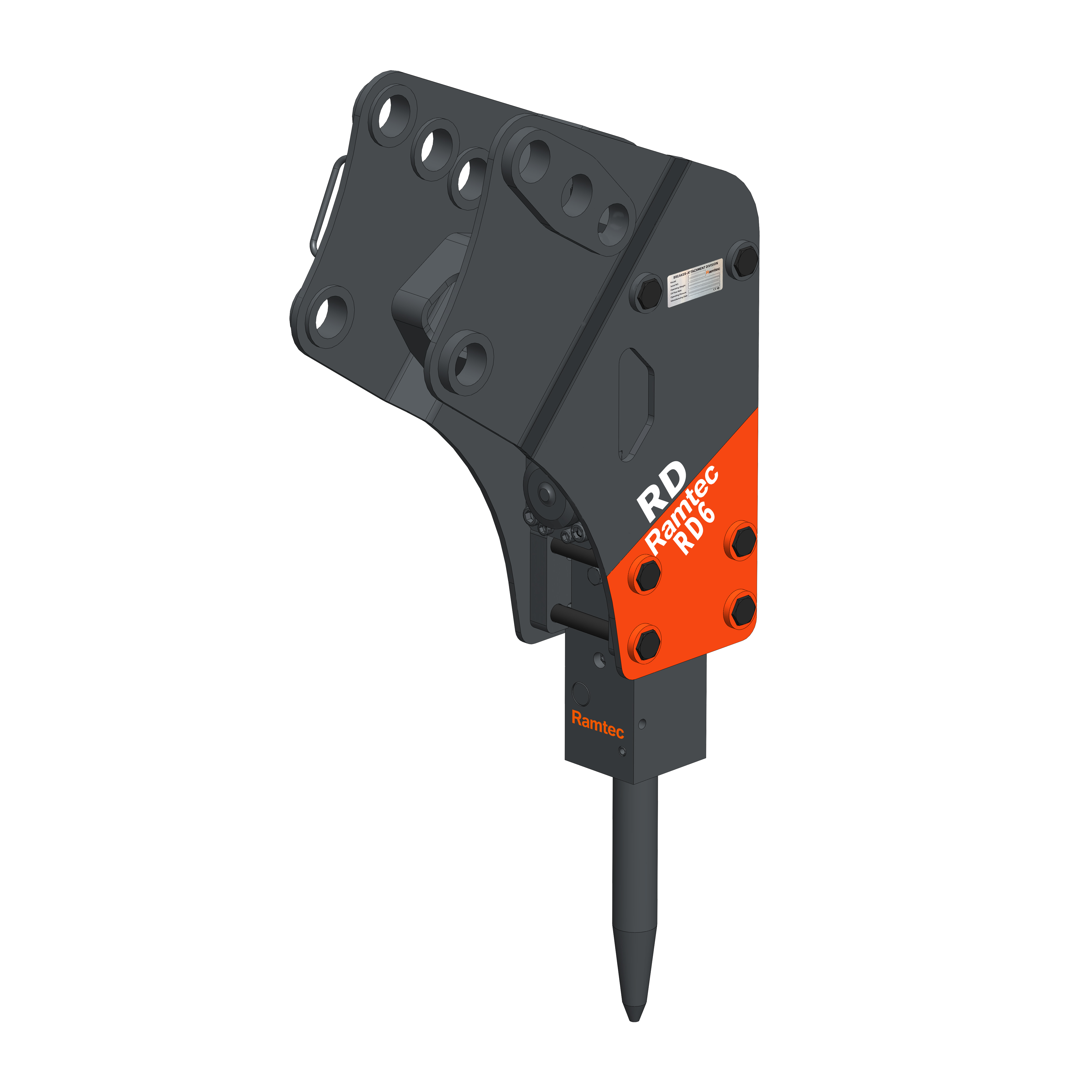
How to Maintain Your Hydraulic Breaker for Optimal Backhoe Loader Performance
Table of Contents
- Introduction to Hydraulic Breakers
- Importance of Maintaining Your Hydraulic Breaker
- Understanding Hydraulic Breakers and Their Functionality
- Essential Maintenance Tips for Hydraulic Breakers
- Troubleshooting Common Hydraulic Breaker Issues
- When to Upgrade or Replace Your Hydraulic Breaker
- Safety Precautions While Using Hydraulic Breakers
- Conclusion
Introduction to Hydraulic Breakers
Hydraulic breakers are essential tools in the construction and demolition industries, especially when utilized with backhoe loaders. These powerful attachments convert hydraulic energy into striking force, making them invaluable for breaking concrete, rocks, and other tough materials. Ensuring optimal performance of your hydraulic breaker not only enhances your backhoe loader's capabilities but also contributes to overall operational efficiency.
Importance of Maintaining Your Hydraulic Breaker
Regular maintenance of your hydraulic breaker is crucial for several reasons:
1. **Maximized Performance**: Routine upkeep ensures that your breaker operates at peak efficiency, enhancing productivity on the job site.
2. **Extended Lifespan**: Proper maintenance can significantly extend the lifespan of your hydraulic breaker, reducing the need for costly replacements.
3. **Safety Assurance**: Regular inspections and maintenance help identify potential issues before they become serious problems, ensuring the safety of operators and personnel on site.
Understanding Hydraulic Breakers and Their Functionality
Hydraulic breakers function through a system of hydraulic pressure and striking energy. When attached to a backhoe loader, they harness the loader's hydraulic system to deliver powerful blows. Understanding the components, including the piston, cylinder, and tools, is essential for effective maintenance.
**Key Components:**
- **Piston**: The component that delivers the strike when hydraulic pressure is applied.
- **Cylinder**: Houses the piston and contains hydraulic fluid.
- **Tool**: The replaceable tip that makes contact with the material being broken.
Essential Maintenance Tips for Hydraulic Breakers
Regular maintenance is the key to ensuring your hydraulic breaker performs optimally. Below are essential maintenance tips to keep your equipment in top shape.
Conducting Regular Inspections
Routine inspections are vital in detecting early signs of wear or damage.
- **Visual Checks**: Regularly inspect the exterior of the hydraulic breaker for any visible damage, cracks, or loose components.
- **Performance Monitoring**: Pay attention to the performance of the breaker. If you notice decreased efficiency or unusual sounds, it may indicate underlying issues.
Proper Lubrication Techniques
Lubrication is critical for the efficient operation of hydraulic breakers.
- **Use the Correct Lubricant**: Always refer to the manufacturer’s specifications for the recommended type of lubricant.
- **Regular Lubrication Schedule**: Establish a routine lubrication schedule to prevent excessive wear and tear on moving parts.
Cleaning Your Hydraulic Breaker
Cleaning your hydraulic breaker prevents debris accumulation that can hinder performance.
- **Daily Cleaning**: After each use, clean the breaker to remove dirt, dust, and other materials.
- **Deep Cleaning**: Periodically perform a deep clean, particularly in hard-to-reach areas, to ensure no debris affects the operation.
Troubleshooting Common Hydraulic Breaker Issues
Even with proper maintenance, issues may arise. Here are common problems and how to address them.
- **Reduced Impact Power**: If your breaker is not delivering its expected power, check for hydraulic fluid levels and potential leaks in the system.
- **Excessive Vibration**: If you experience excessive vibration, it may stem from worn-out or damaged tools. Inspect the tool for signs of wear and replace it if necessary.
- **Overheating**: Overheating can result from low hydraulic fluid levels or inadequate lubrication. Make sure to check both and resolve any issues.
When to Upgrade or Replace Your Hydraulic Breaker
Knowing when to upgrade or replace your hydraulic breaker is vital for operational efficiency.
- **Frequent Repairs**: If you find yourself making frequent repairs, it may be more cost-effective to invest in a new unit.
- **Outdated Technology**: Advances in hydraulic technology may offer better performance and efficiency. If your breaker is outdated, consider upgrading to a newer model.
Safety Precautions While Using Hydraulic Breakers
Safety should always be a top priority when operating hydraulic breakers.
- **Wear Protective Gear**: Always wear appropriate personal protective equipment (PPE) including gloves, goggles, and hearing protection.
- **Follow Manufacturer Guidelines**: Adhere to all manufacturer instructions regarding the operation and maintenance of your hydraulic breaker.
Conclusion
In summary, maintaining your hydraulic breaker is essential for optimal backhoe loader performance. Regular inspections, proper lubrication, and thorough cleaning can significantly enhance the lifespan and efficiency of your equipment. By following these maintenance strategies and addressing potential issues proactively, you ensure not only the longevity of your hydraulic breaker but also the safety and productivity of your operations. Investing time and resources in maintenance will yield substantial benefits, making your hydraulic breaker a reliable ally on the job site.
Frequently Asked Questions (FAQs)
1. How often should I inspect my hydraulic breaker?
Regular inspections should be conducted after every use, with a more thorough check every few weeks or as recommended by the manufacturer.
2. What type of lubricant should I use for my hydraulic breaker?
Always refer to the manufacturer's guidelines for the appropriate type of lubricant to use for your specific hydraulic breaker model.
3. Can I perform maintenance on my hydraulic breaker myself?
Yes, routine maintenance like cleaning and lubrication can typically be performed by operators. However, significant repairs should be conducted by trained professionals.
4. What are the most common issues with hydraulic breakers?
Common issues include reduced impact power, excessive vibration, and overheating, often due to lack of maintenance or hydraulic fluid issues.
5. When is it time to replace my hydraulic breaker?
Consider replacing your hydraulic breaker if it requires frequent repairs, if it's outdated, or if it no longer meets your operational needs effectively.
Related News