Unlocking Efficiency: The Role of Hydraulic Breakers in Wheel Loaders
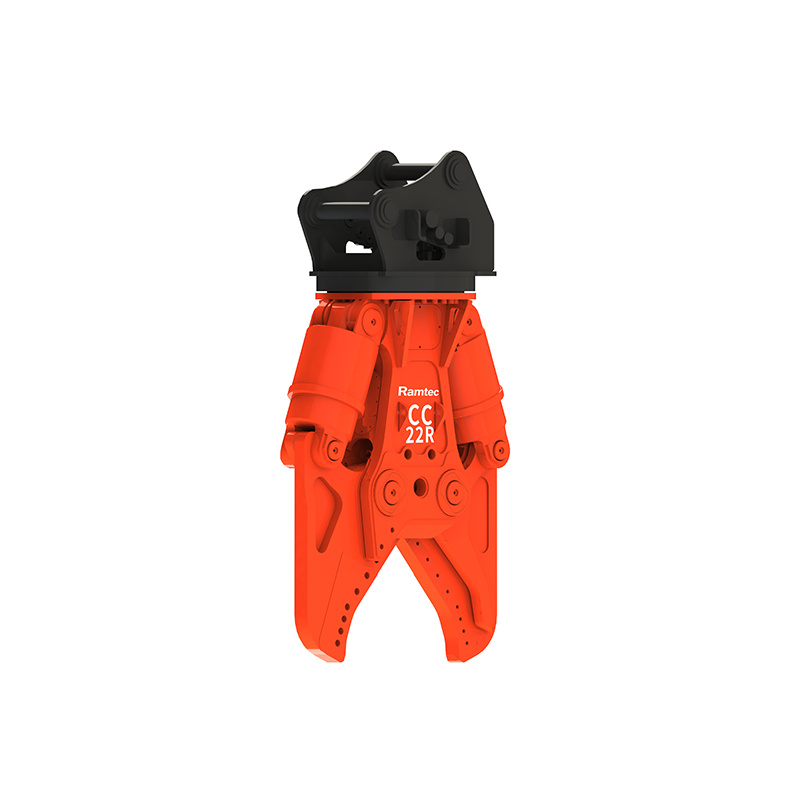
Hydraulic breakers, often used in conjunction with wheel loaders, are powerful tools designed to break through tough materials such as concrete, rock, and asphalt. These attachments harness the hydraulic system of the wheel loader, converting hydraulic energy into mechanical force, which allows for efficient demolition and material processing. The integration of hydraulic breakers into wheel loaders has transformed construction and engineering projects, providing operators with a versatile and effective solution for a variety of tasks.
One of the primary advantages of using hydraulic breakers is their ability to handle heavy workloads with precision. Wheel loaders equipped with these breakers can easily tackle various applications, including road construction, infrastructure repair, and site preparation. The hydraulic breaker operates with a rapid hammering action, which can break through dense materials quickly, reducing overall project timelines and labor costs. This efficiency is particularly beneficial in large-scale projects where time and resources are critical.
Furthermore, hydraulic breakers are designed to be durable and reliable, making them suitable for demanding environments. They are engineered to withstand the rigors of heavy use, ensuring longevity and minimal downtime. Many models also feature adjustable energy settings, allowing operators to tailor the impact force to the specific material being worked on, enhancing efficiency while preventing damage to the wheel loader or surrounding structures.
In addition to their robust functionality, hydraulic breakers contribute to improved safety on job sites. The use of these attachments minimizes the need for manual labor in hazardous areas, reducing the risk of accidents and injuries. Operators can maintain a safe distance while effectively breaking materials, leading to a safer working environment for all personnel involved.
Maintenance of hydraulic breakers is relatively straightforward, with routine checks and servicing ensuring optimal performance. Regular inspection of hydraulic lines, seals, and connection points is essential for preventing leaks and maintaining the efficiency of the hydraulic system. Proper maintenance not only prolongs the life of the breaker but also enhances the overall performance of the wheel loader.
In summary, hydraulic breakers for wheel loaders are an invaluable asset in the manufacturing and construction machinery sector. Their ability to enhance productivity, ensure safety, and provide versatility makes them a preferred choice for many operators. As industries continue to evolve, the role of hydraulic breakers will likely expand, offering even more innovative solutions to meet the demands of modern construction and engineering projects. By investing in hydraulic breakers, businesses can unlock significant efficiency gains and stay competitive in a rapidly changing market.
One of the primary advantages of using hydraulic breakers is their ability to handle heavy workloads with precision. Wheel loaders equipped with these breakers can easily tackle various applications, including road construction, infrastructure repair, and site preparation. The hydraulic breaker operates with a rapid hammering action, which can break through dense materials quickly, reducing overall project timelines and labor costs. This efficiency is particularly beneficial in large-scale projects where time and resources are critical.
Furthermore, hydraulic breakers are designed to be durable and reliable, making them suitable for demanding environments. They are engineered to withstand the rigors of heavy use, ensuring longevity and minimal downtime. Many models also feature adjustable energy settings, allowing operators to tailor the impact force to the specific material being worked on, enhancing efficiency while preventing damage to the wheel loader or surrounding structures.
In addition to their robust functionality, hydraulic breakers contribute to improved safety on job sites. The use of these attachments minimizes the need for manual labor in hazardous areas, reducing the risk of accidents and injuries. Operators can maintain a safe distance while effectively breaking materials, leading to a safer working environment for all personnel involved.
Maintenance of hydraulic breakers is relatively straightforward, with routine checks and servicing ensuring optimal performance. Regular inspection of hydraulic lines, seals, and connection points is essential for preventing leaks and maintaining the efficiency of the hydraulic system. Proper maintenance not only prolongs the life of the breaker but also enhances the overall performance of the wheel loader.
In summary, hydraulic breakers for wheel loaders are an invaluable asset in the manufacturing and construction machinery sector. Their ability to enhance productivity, ensure safety, and provide versatility makes them a preferred choice for many operators. As industries continue to evolve, the role of hydraulic breakers will likely expand, offering even more innovative solutions to meet the demands of modern construction and engineering projects. By investing in hydraulic breakers, businesses can unlock significant efficiency gains and stay competitive in a rapidly changing market.
Related News