Understanding the Different Types of Demolition Grapples Available: A Comprehensive Guide
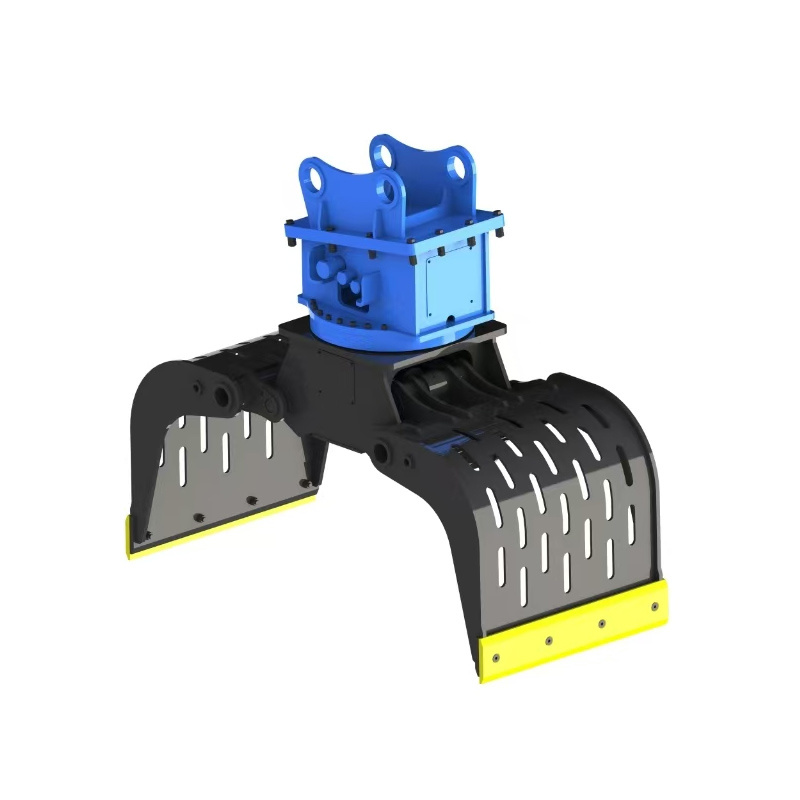
Understanding the Different Types of Demolition Grapples Available
Demolition is a crucial phase in construction, requiring specialized equipment to ensure efficiency and safety. One of the most effective tools used in this process is the demolition grapple. This article delves into the different types of demolition grapples available, their unique features, applications, and benefits, serving as a comprehensive guide for professionals in the construction and engineering industries.
Table of Contents
1. Introduction to Demolition Grapples
2. Types of Demolition Grapples
- 2.1 Hydraulic Grapples
- 2.2 Mechanical Grapples
- 2.3 Electromechanical Grapples
- 2.4 Specialized Grapples
3. Features and Benefits of Demolition Grapples
4. How to Choose the Right Grapple for Your Project
5. Applications of Demolition Grapples
6. Maintaining Your Demolition Grapple
7. Common Misconceptions About Demolition Grapples
8. Frequently Asked Questions
9. Conclusion
Introduction to Demolition Grapples
Demolition grapples are essential attachments for heavy machinery used in the demolition process. These tools are designed to handle various materials, from concrete and steel to wood and debris. By understanding the different types of grapples available, operators can select the right tool for their specific needs, enhancing productivity and safety on-site.
Types of Demolition Grapples
Demolition grapples come in various designs and functionalities, tailored for different tasks and materials. Below, we outline the primary types of demolition grapples used in the industry today.
Hydraulic Grapples
**Hydraulic grapples** are among the most popular types of demolition grapples. These grapples use hydraulic pressure to open and close the jaws, allowing for precise control when handling heavy or awkward materials.
- **Advantages**:
- Excellent gripping power
- High durability and strength
- Versatile, suitable for various materials
- Increased operator efficiency due to ease of use
**Applications**: Hydraulic grapples are ideal for demanding tasks, such as tearing down buildings, clearing debris, and sorting materials on construction sites.
Mechanical Grapples
**Mechanical grapples** operate using a simple mechanical system, typically involving levers and cables. These grapples are often lighter and less expensive than their hydraulic counterparts.
- **Advantages**:
- Lower operating costs
- Simpler design with fewer components to maintain
- Suitable for lighter demolition tasks
**Applications**: Mechanical grapples are often used in smaller demolition jobs, landscaping, and material handling where extreme power is not required.
Electromechanical Grapples
**Electromechanical grapples** represent a modern approach to demolition tools. They utilize electric motors and sensors for enhanced precision and control.
- **Advantages**:
- Environmentally friendly with lower emissions
- Highly precise control
- Reduced noise levels during operation
**Applications**: These grapples are well-suited for urban demolition projects where noise and emissions need to be minimized.
Specialized Grapples
**Specialized grapples** are designed for specific tasks or materials, offering unique features tailored to meet particular project requirements.
- **Examples**:
- **Steel Grapples**: Equipped with reinforced jaws for handling heavy steel beams.
- **Sorting Grapples**: Feature wide jaws designed for efficient sorting and separation of materials.
- **Rotating Grapples**: Allow for 360-degree rotation for enhanced maneuverability in tight spaces.
**Applications**: Specialized grapples are vital in complex demolition projects, recycling operations, and material sorting processes.
Features and Benefits of Demolition Grapples
Understanding the standout features of demolition grapples helps in selecting the right tool for your project.
- **Grip Strength**: Demolition grapples are designed to exert significant force, making it easier to lift and maneuver heavy materials.
- **Versatility**: Many grapples can handle a range of materials, from concrete to wood, making them suitable for various tasks on site.
- **Durability**: High-quality materials ensure that grapples can withstand the rigors of demolition work, providing long-lasting performance.
- **Ease of Use**: Advanced designs allow operators to handle materials quickly and accurately, improving overall site efficiency.
How to Choose the Right Grapple for Your Project
Choosing the right demolition grapple involves considering several factors:
1. **Project Type**: Assess the size and scope of your demolition project. Larger, more complex projects may require hydraulic or specialized grapples.
2. **Material Types**: Different materials require different grapples. For instance, a steel grapple is ideal for heavy metal structures, while a sorting grapple is better suited for mixed debris.
3. **Budget Considerations**: Evaluate your budget. While hydraulic grapples offer superior performance, they typically come at a higher price point.
4. **Compatibility with Equipment**: Ensure that the grapple you choose is compatible with your machinery. Check the specifications and compatibility to avoid operational issues.
Applications of Demolition Grapples
Demolition grapples are utilized in various applications across construction and demolition sites:
- **Building Demolition**: Ideal for tearing down structures and managing debris.
- **Site Cleanup**: Efficiently handle and transport waste materials during cleanup operations.
- **Material Sorting**: Enable operators to quickly sort and separate different types of materials for recycling or disposal.
- **Landscaping**: Assist in removing trees, stumps, and other landscaping materials.
Maintaining Your Demolition Grapple
Proper maintenance is essential for prolonging the life of your demolition grapple. Here are some key maintenance tips:
- **Regular Inspections**: Routinely check for signs of wear or damage. Early detection helps prevent costly repairs.
- **Lubrication**: Keep moving parts well-lubricated to ensure smooth operation and reduce wear.
- **Cleaning**: Clear away debris and contaminants after each use to maintain performance and prevent rusting.
- **Storage**: Store grapples in a dry environment to protect them from the elements when not in use.
Common Misconceptions About Demolition Grapples
1. **All Grapples Are the Same**: There are distinct types of grapples designed for specific tasks, and choosing the wrong type can hinder performance.
2. **Hydraulic Grapples Are Always Better**: While hydraulic grapples offer strength and versatility, mechanical grapples can be more suitable for lighter tasks and budgets.
3. **Maintenance Is Unnecessary**: Regular maintenance is crucial for optimal performance; neglecting it can lead to breakdowns and costly repairs.
Frequently Asked Questions
**1. What is a demolition grapple?**
A demolition grapple is an attachment for heavy machinery, designed to efficiently handle, lift, and maneuver materials during demolition projects.
**2. How do hydraulic grapples work?**
Hydraulic grapples use hydraulic pressure to open and close their jaws, providing strong gripping power and precise control.
**3. Can I use a mechanical grapple for heavy-duty tasks?**
While mechanical grapples can handle lighter tasks, they may not provide the necessary strength for heavy-duty applications compared to hydraulic grapples.
**4. Are grapples suitable for recycling purposes?**
Yes, specialized grapples are designed specifically for sorting and separating materials, making them ideal for recycling operations.
**5. How do I know which grapple is right for my project?**
Consider the type of project, materials being handled, budget, and equipment compatibility before making a choice.
Conclusion
In summary, understanding the different types of demolition grapples available is essential for professionals in the construction and engineering industries. By selecting the appropriate grapple for specific tasks and materials, you can significantly enhance efficiency and safety on site. Whether you opt for hydraulic, mechanical, electromechanical, or specialized grapples, each type offers unique advantages and applications. Regular maintenance and informed decision-making will ensure that your equipment delivers optimal performance throughout its lifespan. Choose wisely, and your demolition projects will be more efficient and successful.
Related News