Maximizing Efficiency with Hydraulic Breakers for Backhoe Loaders
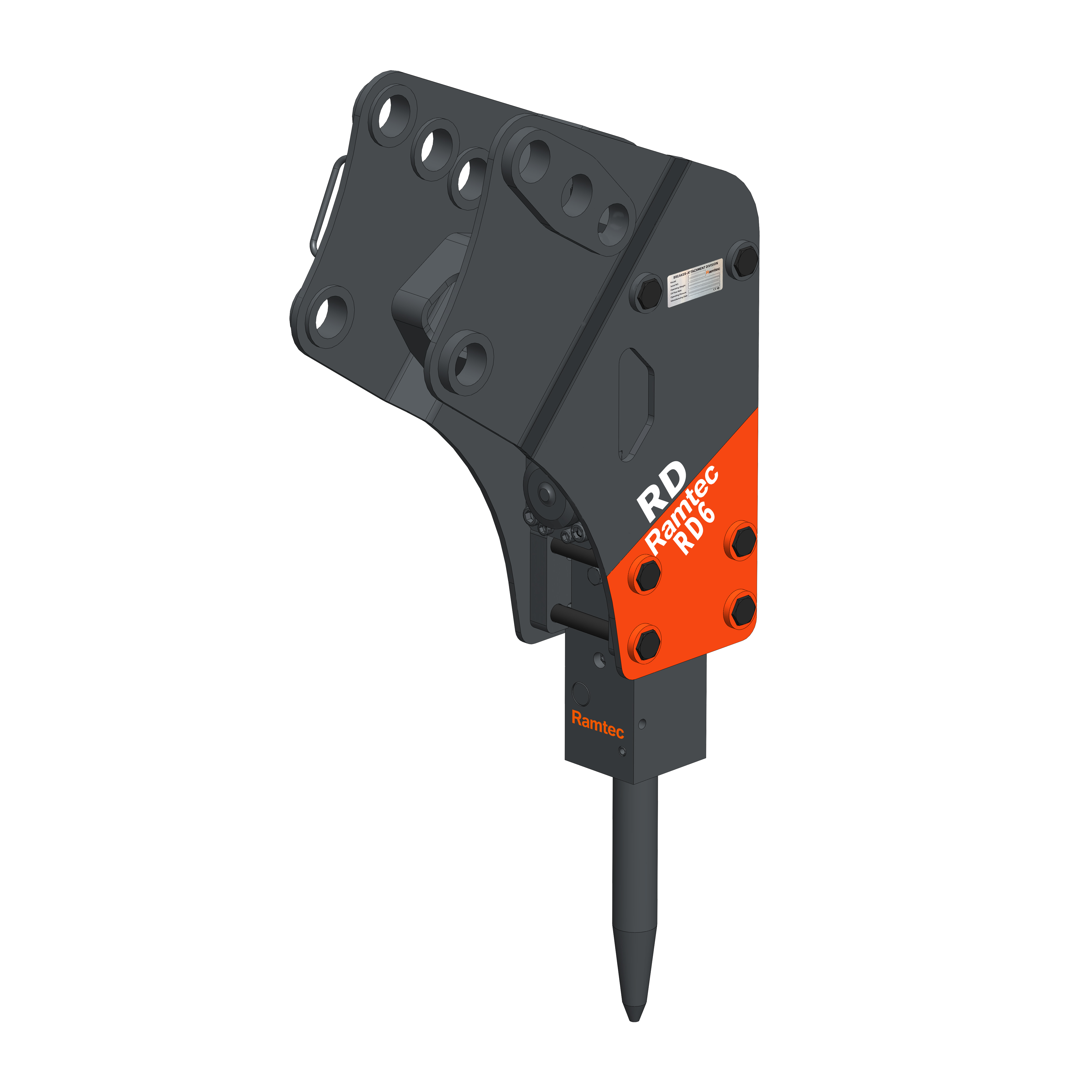
Hydraulic breakers for backhoe loaders are essential tools in the realm of construction and demolition. These attachments transform backhoe loaders into formidable machines capable of breaking through tough surfaces such as concrete, asphalt, and rock. By harnessing hydraulic power, these breakers offer enhanced performance compared to traditional mechanical methods, making them invaluable in various applications.
One of the primary advantages of using hydraulic breakers is their efficiency. They operate by generating a high-impact force that shatters materials, significantly reducing the time and effort required for demolition tasks. Whether you’re tackling a small renovation or a large construction project, the speed at which hydraulic breakers work can greatly enhance your productivity.
The hydraulic breaker’s versatility is another noteworthy aspect. When mounted on a backhoe loader, it can easily access various job sites and perform multiple tasks. From breaking pavement for road repairs to demolishing old structures, the adaptability of hydraulic breakers makes them suitable for numerous applications. Moreover, they can operate in confined spaces where larger machinery cannot reach, providing flexibility that is crucial in urban environments.
When selecting a hydraulic breaker for your backhoe loader, several factors should be considered. The size of the breaker should match the machine's specifications and the nature of the job. A correctly sized breaker will not only improve efficiency but also ensure safety during operation. It's also important to factor in the hydraulic flow and pressure of the backhoe loader, as these specifications will determine the performance of the breaker.
Maintenance is pivotal in maximizing the lifespan and effectiveness of hydraulic breakers. Regular inspections and servicing are essential to prevent breakdowns and ensure optimum performance. Operators should be trained to recognize signs of wear or damage, as timely repairs can avert costly downtimes. Utilizing proper lubrication and following manufacturer guidelines can significantly extend the life of the hydraulic breaker.
Additionally, incorporating best practices during operation can enhance both efficiency and safety. Operators should be trained to use the breaker at the correct angles and speeds, minimizing the risk of injury and material damage. Understanding the material being worked on can also inform the choice of breaker settings, ensuring that the tool is used effectively and efficiently.
In conclusion, hydraulic breakers for backhoe loaders are an excellent investment for those involved in construction and demolition. Their efficiency, versatility, and ease of use make them a crucial component of modern equipment fleets. By understanding their operation, maintenance, and application, operators can leverage hydraulic breakers to achieve outstanding results in their projects. Whether enhancing productivity on the job site or expanding the capabilities of a backhoe loader, hydraulic breakers stand out as indispensable tools in the industry.
One of the primary advantages of using hydraulic breakers is their efficiency. They operate by generating a high-impact force that shatters materials, significantly reducing the time and effort required for demolition tasks. Whether you’re tackling a small renovation or a large construction project, the speed at which hydraulic breakers work can greatly enhance your productivity.
The hydraulic breaker’s versatility is another noteworthy aspect. When mounted on a backhoe loader, it can easily access various job sites and perform multiple tasks. From breaking pavement for road repairs to demolishing old structures, the adaptability of hydraulic breakers makes them suitable for numerous applications. Moreover, they can operate in confined spaces where larger machinery cannot reach, providing flexibility that is crucial in urban environments.
When selecting a hydraulic breaker for your backhoe loader, several factors should be considered. The size of the breaker should match the machine's specifications and the nature of the job. A correctly sized breaker will not only improve efficiency but also ensure safety during operation. It's also important to factor in the hydraulic flow and pressure of the backhoe loader, as these specifications will determine the performance of the breaker.
Maintenance is pivotal in maximizing the lifespan and effectiveness of hydraulic breakers. Regular inspections and servicing are essential to prevent breakdowns and ensure optimum performance. Operators should be trained to recognize signs of wear or damage, as timely repairs can avert costly downtimes. Utilizing proper lubrication and following manufacturer guidelines can significantly extend the life of the hydraulic breaker.
Additionally, incorporating best practices during operation can enhance both efficiency and safety. Operators should be trained to use the breaker at the correct angles and speeds, minimizing the risk of injury and material damage. Understanding the material being worked on can also inform the choice of breaker settings, ensuring that the tool is used effectively and efficiently.
In conclusion, hydraulic breakers for backhoe loaders are an excellent investment for those involved in construction and demolition. Their efficiency, versatility, and ease of use make them a crucial component of modern equipment fleets. By understanding their operation, maintenance, and application, operators can leverage hydraulic breakers to achieve outstanding results in their projects. Whether enhancing productivity on the job site or expanding the capabilities of a backhoe loader, hydraulic breakers stand out as indispensable tools in the industry.
Related News