Understanding Demolition Grapples: A Comprehensive Guide for Manufacturers
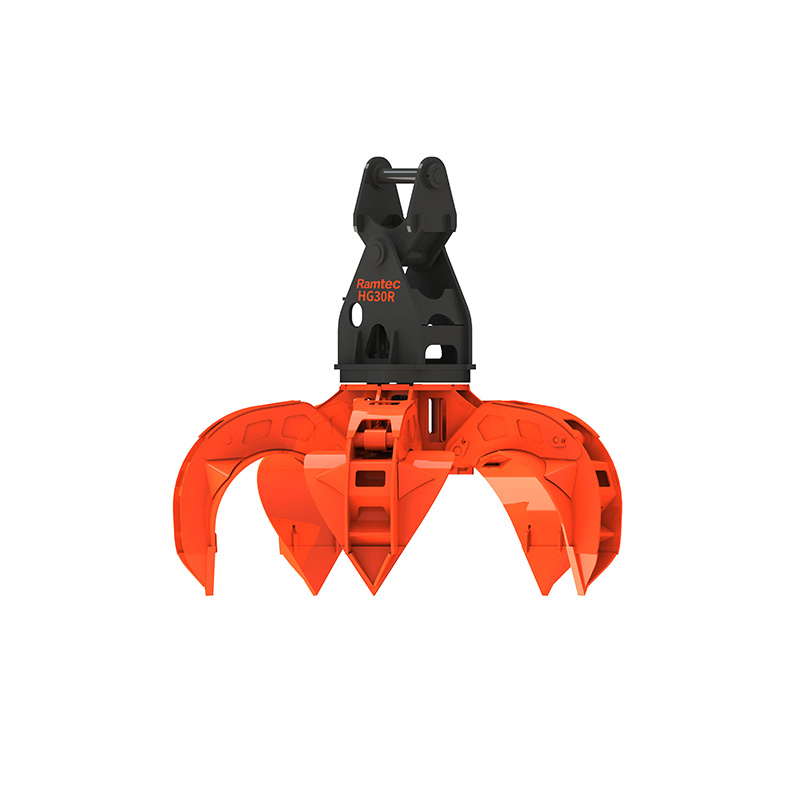
Demolition grapples are specialized attachments used in the construction and demolition industries, primarily for handling materials and debris during demolition projects. These grapples are designed to grasp, lift, and move heavy and bulky materials, making them an indispensable tool for contractors and manufacturers alike. Understanding the role of demolition grapples and their manufacturing process can help companies optimize their offerings and efficiently meet market demands.
One of the key factors in the design and manufacturing of demolition grapples is their versatility. These tools can be used with a variety of machinery, such as excavators and cranes, which enhances their utility on job sites. Manufacturers must ensure that the grapple design accommodates different types of machinery, allowing for seamless integration. This adaptability not only broadens the customer base but also enhances the tool's functionality in various demolition tasks.
The construction of demolition grapples typically involves high-strength materials to withstand the rigors of heavy use. Steel is a common choice due to its durability and ability to resist wear and tear. Manufacturers must prioritize quality control during the production process to ensure that each grapple meets safety and operational standards. This attention to detail can significantly impact the product's performance and longevity.
Another critical aspect to consider is the innovation and technology employed in demolition grapple manufacturing. As the industry evolves, manufacturers are increasingly incorporating advanced technologies such as hydraulic systems that enhance grip strength and reliability. Innovations like these not only improve the efficiency of demolition operations but also reduce the risk of accidents on site, making them appealing to potential buyers.
Additionally, understanding the environmental impact of demolition grapples is becoming increasingly important. With growing concerns about sustainability, manufacturers are exploring eco-friendly materials and designs that minimize waste and reduce carbon footprints. Developing grapples that support green demolition practices can therefore enhance a manufacturer’s reputation and appeal to environmentally conscious clients.
In conclusion, the role of demolition grapples in the manufacturing and construction industries cannot be understated. By focusing on versatility, material quality, innovation, and sustainability, manufacturers can better position themselves in a competitive market. This holistic understanding of demolition grapples is crucial for those looking to enhance their product offerings and meet the evolving needs of the construction sector. As the demand for efficient and reliable demolition equipment continues to rise, manufacturers must remain proactive in their approach, ensuring they deliver high-quality grapples that stand out in a crowded marketplace.
One of the key factors in the design and manufacturing of demolition grapples is their versatility. These tools can be used with a variety of machinery, such as excavators and cranes, which enhances their utility on job sites. Manufacturers must ensure that the grapple design accommodates different types of machinery, allowing for seamless integration. This adaptability not only broadens the customer base but also enhances the tool's functionality in various demolition tasks.
The construction of demolition grapples typically involves high-strength materials to withstand the rigors of heavy use. Steel is a common choice due to its durability and ability to resist wear and tear. Manufacturers must prioritize quality control during the production process to ensure that each grapple meets safety and operational standards. This attention to detail can significantly impact the product's performance and longevity.
Another critical aspect to consider is the innovation and technology employed in demolition grapple manufacturing. As the industry evolves, manufacturers are increasingly incorporating advanced technologies such as hydraulic systems that enhance grip strength and reliability. Innovations like these not only improve the efficiency of demolition operations but also reduce the risk of accidents on site, making them appealing to potential buyers.
Additionally, understanding the environmental impact of demolition grapples is becoming increasingly important. With growing concerns about sustainability, manufacturers are exploring eco-friendly materials and designs that minimize waste and reduce carbon footprints. Developing grapples that support green demolition practices can therefore enhance a manufacturer’s reputation and appeal to environmentally conscious clients.
In conclusion, the role of demolition grapples in the manufacturing and construction industries cannot be understated. By focusing on versatility, material quality, innovation, and sustainability, manufacturers can better position themselves in a competitive market. This holistic understanding of demolition grapples is crucial for those looking to enhance their product offerings and meet the evolving needs of the construction sector. As the demand for efficient and reliable demolition equipment continues to rise, manufacturers must remain proactive in their approach, ensuring they deliver high-quality grapples that stand out in a crowded marketplace.
Related News