Maximize Your Backhoe Loader's Potential with Hydraulic Breakers
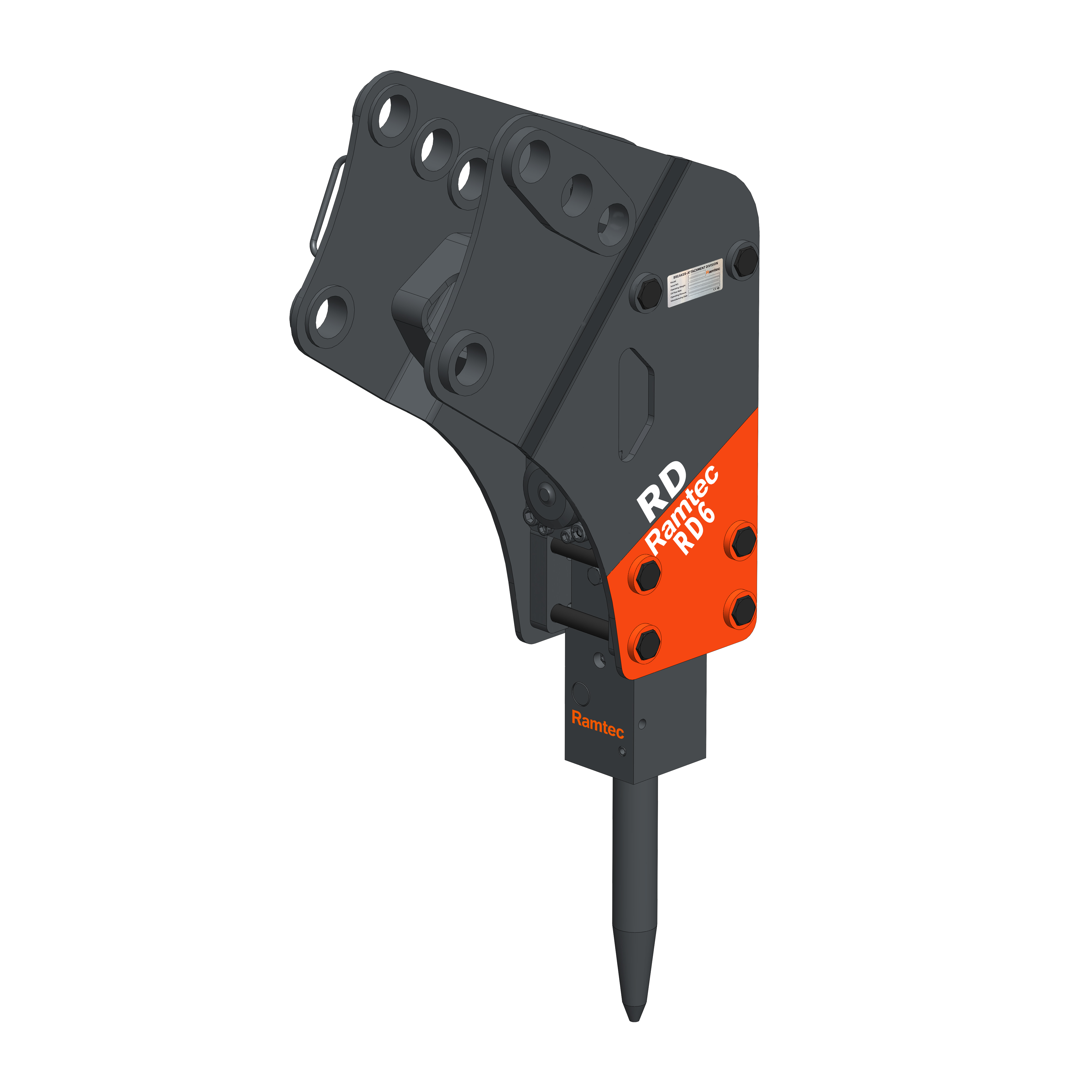
Maximize Your Backhoe Loader's Potential with Hydraulic Breakers
Introduction: The Role of Hydraulic Breakers in Construction
In the world of construction and heavy machinery, backhoe loaders have established themselves as versatile workhorses. When paired with hydraulic breakers, these machines reach new levels of efficiency and power. Hydraulic breakers transform your backhoe loader into a dynamic tool for breaking through tough materials such as concrete, rock, and asphalt. This article will explore the advantages of using hydraulic breakers, how to choose the right one, and best practices for maximizing your machine's performance.
Understanding Hydraulic Breakers
What are Hydraulic Breakers?
Hydraulic breakers are powerful attachments designed to deliver high-impact energy to break or demolish hard materials. These tools utilize the hydraulic power generated by the backhoe loader to create a forceful impact, making them essential for various applications in construction, excavation, and demolition.
Types of Hydraulic Breakers
There are several types of hydraulic breakers available, each tailored for specific applications. The most common types include:
- **Box-Type Breakers**: These are ideal for heavy-duty applications and offer high durability.
- **Side-Plate Breakers**: Known for their versatility, side-plate breakers are suitable for various tasks, ranging from light demolition to heavy excavation.
- **Silenced Breakers**: Designed for urban environments, these breakers operate quietly, reducing noise pollution while maintaining efficiency.
Choosing the Right Hydraulic Breaker
Selecting the appropriate hydraulic breaker for your backhoe loader involves consideration of several factors, including:
1. **Weight of the Breaker**: Ensure the breaker is compatible with your backhoe's lifting capacity.
2. **Impact Energy**: Match the impact force of the breaker to the material you will be working with.
3. **Attachment Compatibility**: Verify that the breaker can be easily attached to your specific backhoe model.
Benefits of Using Hydraulic Breakers with Your Backhoe Loader
Increased Productivity
By integrating hydraulic breakers into your operations, you can significantly boost productivity. The ability to break down tough materials quickly allows you to complete projects in less time, reducing labor costs and increasing profitability.
Enhanced Versatility
Hydraulic breakers extend the functionality of backhoe loaders beyond standard digging and loading tasks. They enable operators to tackle diverse projects, from road construction to foundation work, without needing multiple machines.
Cost-Effectiveness
Investing in a hydraulic breaker can lead to long-term savings. By eliminating the need for additional equipment and reducing labor hours, you can optimize your operational costs.
Best Practices for Using Hydraulic Breakers
Proper Training for Operators
To maximize the efficiency of hydraulic breakers, it is crucial that operators receive adequate training. Understanding the machinery and its capabilities helps prevent misuse and enhances safety.
Routine Maintenance Checks
Regular maintenance of both the backhoe loader and the hydraulic breaker is essential. Check for wear and tear, lubricate moving parts, and ensure the hydraulic systems are functioning optimally to prolong equipment life.
Safety Precautions
Safety should always be a priority when using heavy machinery. Operators must wear appropriate personal protective equipment (PPE) and adhere to safety guidelines to minimize risks.
How to Maximize Efficiency with Hydraulic Breakers
Optimizing Operating Pressure
Adjusting the hydraulic pressure to match the specific requirements of the task can enhance the performance of the breaker. Operating at optimal pressure ensures that the breaker operates efficiently, resulting in better impact and reduced wear.
Choosing the Right Impact Rate
Selecting an appropriate impact rate for your hydraulic breaker is crucial. Different materials require different impact rates to achieve optimal results. For instance, softer materials may require a lower impact rate, while harder materials necessitate a higher rate.
Utilizing Proper Techniques
Employing the correct breaking techniques can enhance the efficacy of hydraulic breakers. Techniques like “pecking” can help create fractures in the material, making it easier to break apart.
Applications of Hydraulic Breakers in Construction
Demolition Projects
Hydraulic breakers are commonly used in demolition projects to dismantle concrete structures, pavements, and foundations. Their power allows for precise and controlled demolition, reducing debris and cleanup time.
Excavation Work
In excavation tasks, hydraulic breakers break through hard soils and rocky terrains, facilitating smoother digging operations. They can also assist in trenching activities, ensuring a more efficient workflow.
Road Construction and Maintenance
During road construction, hydraulic breakers are instrumental in the removal of old asphalt and concrete surfaces. They can also aid in the installation of new infrastructure, making them a valuable asset in road maintenance.
Maintenance Tips for Hydraulic Breakers
Regular Inspections
Conduct routine inspections of your hydraulic breaker to identify any potential issues early. Check for cracks, leaks, and wear on the chisels and other components.
Proper Lubrication
Ensure that all moving parts are adequately lubricated to prevent friction and overheating. Regular lubrication extends the lifespan of your hydraulic breaker.
Replace Worn Parts Promptly
Timely replacement of worn or damaged parts is critical to maintaining performance. Operating with compromised components can lead to decreased efficiency and potential failures.
Frequently Asked Questions (FAQs)
1. How do I know if my backhoe loader can handle a hydraulic breaker?
Check the manufacturer's specifications for your backhoe loader to find its maximum lifting capacity and ensure the hydraulic breaker you choose is within that range.
2. What maintenance is required for hydraulic breakers?
Regular maintenance includes checking for leaks, lubricating moving parts, and inspecting for wear on the chisel and other components.
3. Can I use hydraulic breakers for all types of demolition?
Hydraulic breakers are effective for many demolition tasks but may not be suitable for every scenario. Evaluate the specific requirements of your project to determine their appropriateness.
4. How can I enhance the performance of my hydraulic breaker?
Ensure optimal hydraulic pressure settings, select the appropriate impact rate, and employ the right breaking techniques to maximize efficiency.
5. Are hydraulic breakers environmentally friendly?
While hydraulic breakers themselves do not produce emissions, their use can contribute to more efficient demolition and construction processes, potentially reducing environmental impact when used correctly.
Conclusion: Elevate Your Heavy Machinery Game
Integrating hydraulic breakers with your backhoe loader can drastically enhance its capabilities, turning a standard machine into a powerful asset for various construction and demolition projects. By understanding the benefits, choosing the right equipment, and following best practices for operation and maintenance, you can maximize productivity and efficiency on the job site. Embrace the power of hydraulic breakers, and take your backhoe loader's performance to the next level.
Related News