Hydraulic Breaker Innovations: Revolutionizing Wheel Loader Operations
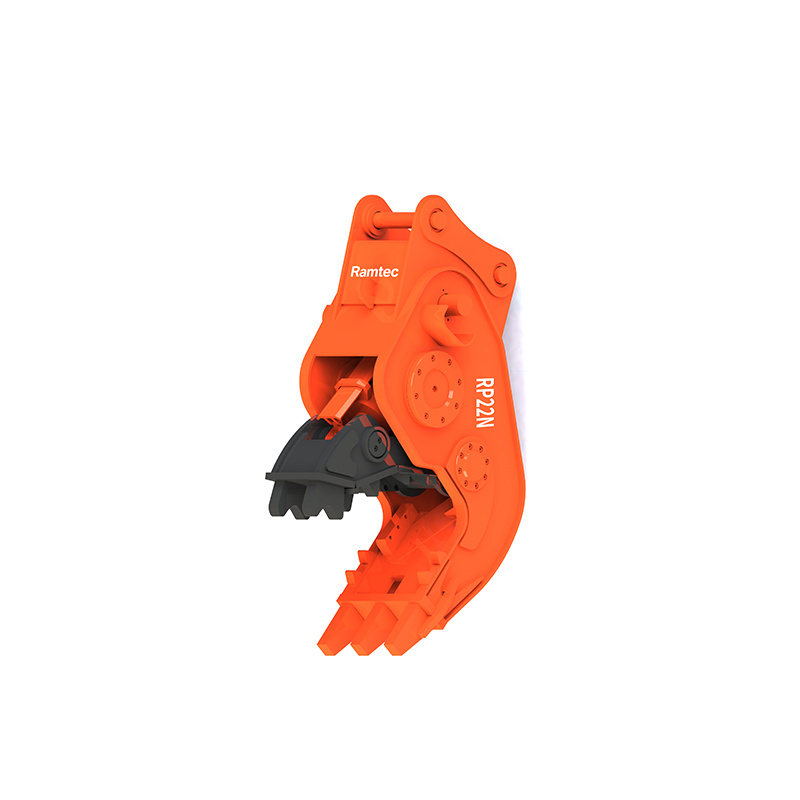
Hydraulic Breaker Innovations: Revolutionizing Wheel Loader Operations
In the ever-evolving landscape of construction and engineering machinery, hydraulic breakers have emerged as crucial tools that significantly enhance the performance of wheel loaders. As industries demand greater efficiency and productivity, innovations in hydraulic breaker technology are revolutionizing how these machines operate. This article delves deep into the advancements in hydraulic breakers and their transformative effects on wheel loader operations, highlighting the benefits, applications, and future trends that define this critical equipment.
Table of Contents
- Introduction to Hydraulic Breakers
- Importance of Hydraulic Breakers in Construction
- Recent Innovations in Hydraulic Breaker Technology
- Advantages of Modern Hydraulic Breakers
- Applications of Hydraulic Breakers in Wheel Loader Operations
- Maintaining Hydraulic Breakers for Optimal Performance
- Future Trends in Hydraulic Breaker Technology
- Conclusion
- Frequently Asked Questions
Introduction to Hydraulic Breakers
Hydraulic breakers, also known as hydraulic hammers, are powerful tools that utilize hydraulic pressure to deliver high-impact blows capable of breaking through tough materials such as concrete, rock, and asphalt. These devices have become integral attachments for wheel loaders, enabling them to perform demolition tasks efficiently. With constant advancements in technology, hydraulic breakers are evolving to meet the demands of modern construction projects.
Importance of Hydraulic Breakers in Construction
The construction industry relies heavily on hydraulic breakers for various applications, from demolition to excavation and site preparation. Their importance can be attributed to several factors:
- Efficiency: Hydraulic breakers significantly reduce the time required to break hard materials, enhancing workflow and productivity.
- Versatility: These tools can be used in diverse environments, making them suitable for multiple construction tasks.
- Cost-Effectiveness: By maximizing efficiency and reducing labor costs, hydraulic breakers contribute to overall project cost savings.
Recent Innovations in Hydraulic Breaker Technology
Recent innovations in hydraulic breaker technology have set new standards for performance and reliability. Some noteworthy advancements include:
1. Energy Efficiency
New hydraulic breakers are designed to optimize energy consumption while maximizing impact force. Innovations such as variable energy settings allow operators to adjust the power output based on the specific requirements of the task, thus saving fuel and reducing operational costs.
2. Enhanced Durability
Modern hydraulic breakers feature improved materials and engineering designs that enhance their durability. Components are often constructed from high-strength materials that can withstand the rigors of heavy use, resulting in longer lifespans and reduced maintenance needs.
3. Advanced Control Systems
The integration of advanced control systems provides operators with greater precision and control over the hydraulic breaker’s operation. Features such as remote monitoring and automatic shut-off functions contribute to safer and more effective operations.
4. Reduced Noise and Vibration
Newer models prioritize operator and environmental comfort by minimizing noise and vibration levels. This is achieved through innovative damping technologies and design refinements that reduce the impact on the surrounding environment.
5. Smart Technology Integration
With the rise of smart technology in construction, hydraulic breakers are increasingly equipped with IoT capabilities. This allows for real-time tracking of performance metrics, predictive maintenance alerts, and seamless integration with other machinery.
Advantages of Modern Hydraulic Breakers
The advantages offered by modern hydraulic breakers are substantial, making them a preferred choice for many construction projects. Here are some key benefits:
1. Increased Productivity
With enhanced impact power and efficiency, modern hydraulic breakers significantly increase productivity on job sites. Operators can complete tasks faster, allowing for quicker project turnaround times.
2. Improved Safety Features
Advancements in safety technology ensure that modern hydraulic breakers incorporate features that protect operators and bystanders. This includes automatic shut-off mechanisms and improved ergonomics that reduce strain on operators.
3. Reduced Downtime
Innovative designs lead to fewer breakdowns and maintenance requirements, which translates to reduced downtime for equipment. This reliability ensures that projects remain on schedule, minimizing delays.
4. Better Environmental Compliance
As sustainability becomes a priority in construction, hydraulic breakers that produce less noise and vibration help companies comply with environmental regulations and maintain good community relations.
5. Cost Savings
The operational efficiency and durability of modern hydraulic breakers result in long-term cost savings. Organizations can allocate resources more effectively, optimizing their overall budget and improving profitability.
Applications of Hydraulic Breakers in Wheel Loader Operations
Hydraulic breakers are versatile attachments that enhance the functionality of wheel loaders across various applications:
1. Demolition Work
In demolition projects, hydraulic breakers are invaluable for breaking down concrete structures and removing debris quickly and efficiently.
2. Excavation and Site Preparation
Before construction can begin, site preparation often involves breaking up hard ground or rock. Hydraulic breakers allow wheel loaders to clear sites more effectively than traditional methods.
3. Road Repair and Maintenance
Hydraulic breakers are essential for road repair tasks, enabling crews to break up existing asphalt or concrete for patching and resurfacing work.
4. Utility Installation
When installing underground utilities, hydraulic breakers facilitate the process by breaking through hard surfaces, making way for pipes and cables.
5. Landscaping and Hardscaping
For landscaping projects requiring significant earth movement, hydraulic breakers help in creating foundational features, such as retaining walls and patios, by breaking up solid ground.
Maintaining Hydraulic Breakers for Optimal Performance
To ensure long-lasting performance and efficiency, proper maintenance of hydraulic breakers is essential. Here are some key maintenance practices:
1. Regular Inspections
Conduct regular inspections to identify wear and tear on components. Look for cracks, leaks, and unusual noises that could indicate potential issues.
2. Lubrication
Ensure that all moving parts are well-lubricated to reduce friction and prevent premature wear. Follow manufacturer guidelines for lubrication intervals.
3. Proper Handling and Usage
Train operators on the correct handling and usage techniques to minimize the risk of damage. Improper use can lead to equipment breakdowns.
4. Cleanliness
Keep the hydraulic breaker clean and free from debris. Accumulated dirt and grime can affect performance and longevity.
5. Professional Servicing
Schedule professional servicing regularly to address complex maintenance needs and ensure the hydraulic breaker operates at peak performance.
Future Trends in Hydraulic Breaker Technology
The future of hydraulic breaker technology is poised for exciting developments. Some anticipated trends include:
1. Increased Automation
As construction moves towards greater automation, hydraulic breakers are likely to become more automated, improving precision and reducing the need for manual intervention.
2. Sustainable Innovations
Future designs will likely focus on sustainability, incorporating eco-friendly materials and technologies that minimize environmental impact.
3. Enhanced Connectivity
With the growth of smart construction, hydraulic breakers will increasingly feature connectivity options that allow them to integrate seamlessly with other machinery and construction management systems.
4. AI and Machine Learning Integration
Artificial intelligence and machine learning could revolutionize hydraulic breaker operation by optimizing performance based on task-specific requirements and environmental conditions.
5. Customization Options
As user needs evolve, manufacturers may offer more customizable options for hydraulic breakers, allowing operators to tailor equipment to specific applications.
Conclusion
Hydraulic breaker innovations are undeniably transforming wheel loader operations, making them more efficient, versatile, and environmentally friendly. As the construction industry continues to demand higher productivity and lower costs, staying abreast of these advancements is crucial for contractors and operators alike. By embracing modern hydraulic breaker technologies, companies can enhance their operational capabilities and ensure successful project outcomes.
Frequently Asked Questions
1. What is a hydraulic breaker, and how does it work?
A hydraulic breaker is a powerful tool that uses hydraulic pressure to deliver high-impact blows, breaking materials like concrete and rock. It is typically attached to equipment like wheel loaders and excavators.
2. What are the benefits of using hydraulic breakers with wheel loaders?
Benefits include increased productivity, versatility in applications, reduced downtime, and enhanced safety features, all of which lead to cost savings for construction projects.
3. How can operators maintain hydraulic breakers for optimal performance?
Regular inspections, proper lubrication, cleanliness, and scheduling professional servicing are crucial for maintaining hydraulic breakers in top condition.
4. What are the latest innovations in hydraulic breaker technology?
Recent innovations include energy efficiency improvements, enhanced durability, advanced control systems, and smart technology integration.
5. What future trends can we expect in hydraulic breaker technology?
Future trends may include increased automation, sustainable innovations, enhanced connectivity, AI integration, and customization options tailored to specific user needs.
Related News
